Why Estrogen Patches for Menopause Are Hard to Find
Understanding the Shortage of Estrogen Patches
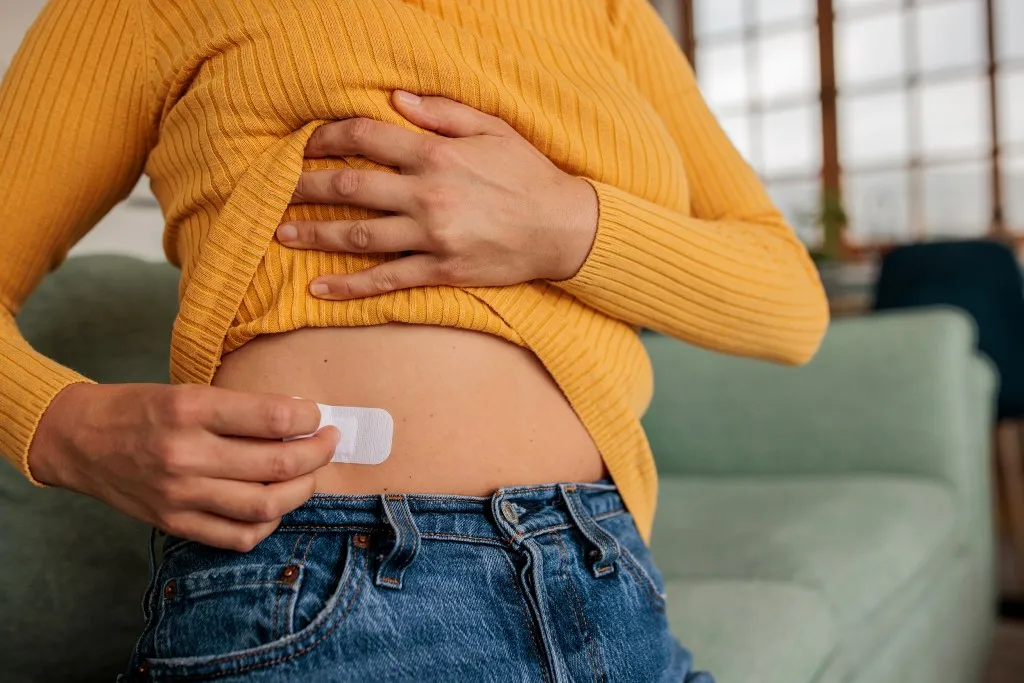
News related to menopause shows that estrogen patches are experiencing significant shortages across the United States. Many women in their 40s and 50s report difficulties when filling prescriptions for these essential hormone replacement therapies. This demand surge follows the FDA's recent removal of a black box warning, which had previously discouraged women from considering hormone therapy.
Impact on Patients and Providers
Clinics like the Comprehensive Menopause Program at UCLA are witnessing increased appointments by women eager to manage their menopause symptoms with estrogen. This heightened interest has overwhelmed many clinics, leading to longer waitlists.
- 86% increase in hormone therapy prescriptions since 2021.
- Loss of access to twice-weekly estradiol patches.
- Experts highlight patches as generally safer with fewer side effects compared to pills.
The Importance of Estrogen Therapy
Estrogen patches are deemed the most effective method for alleviating hot flashes and night sweats during menopause. The American College of Obstetricians and Gynecologists endorses their use, particularly for women with higher health risks.
Clinicians urge women to seek alternative therapies while navigating these shortages. Addressing these barriers is vital to ensure wellness during menopause.
Visit the source for more details.
Disclaimer: The information provided on this site is for informational purposes only and is not intended as medical advice. We are not responsible for any actions taken based on the content of this site. Always consult a qualified healthcare provider for medical advice, diagnosis, and treatment. We source our news from reputable sources and provide links to the original articles. We do not endorse or assume responsibility for the accuracy of the information contained in external sources.
This article was prepared using information from open sources in accordance with the principles of Ethical Policy. The editorial team is not responsible for absolute accuracy, as it relies on data from the sources referenced.