Why Do Women Experience Chronic Pain More Intensively?
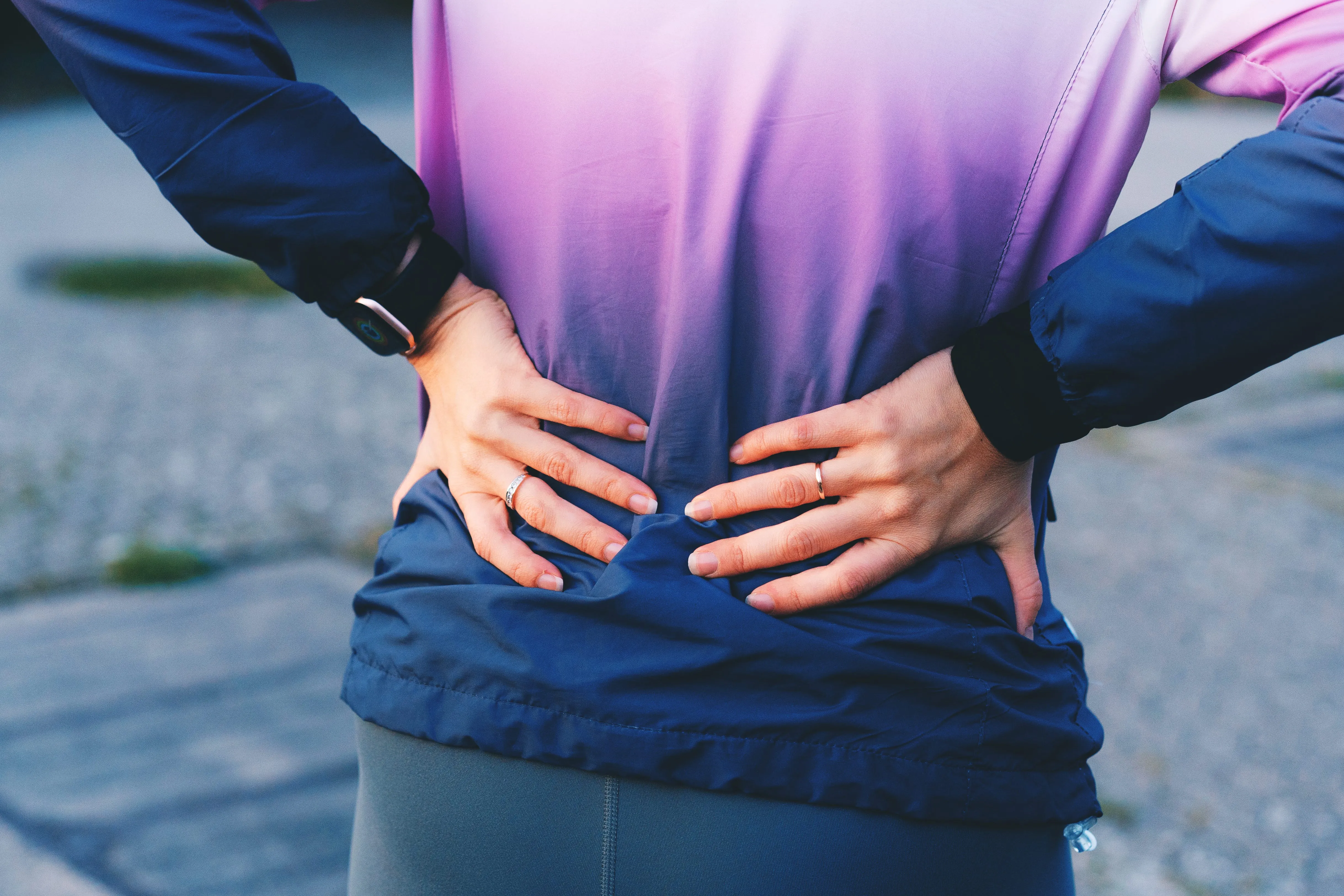
Chronic Pain Disparities Between Genders
A recent study highlights the increasing incidence of chronic pain in women, identifying biological factors that contribute to longer-lasting pain compared to men.
Key Findings of the Study
- The study revealed that women generally take longer to recover from pain.
- Researchers noted lower levels of IL-10, a molecule that eases pain, in female mice.
- Men exhibited faster pain resolution linked to higher IL-10 levels.
Biological and Hormonal Influences on Pain
According to Dr. Harrison Linder, hormones like estrogen and progesterone play critical roles in pain perception for women. These hormones can heighten pain sensitivity particularly during the menstrual cycle, leading to increased challenges in pain management.
As research progresses, there lies potential for advancing treatment options focusing specifically on women’s health regarding chronic pain alleviation.
Disclaimer: The information provided on this site is for informational purposes only and is not intended as medical advice. We are not responsible for any actions taken based on the content of this site. Always consult a qualified healthcare provider for medical advice, diagnosis, and treatment. We source our news from reputable sources and provide links to the original articles. We do not endorse or assume responsibility for the accuracy of the information contained in external sources.
This article was prepared using information from open sources in accordance with the principles of Ethical Policy. The editorial team is not responsible for absolute accuracy, as it relies on data from the sources referenced.