FDA Approves Leucovorin for the Treatment of Rare Genetic Condition, Excluding Autism
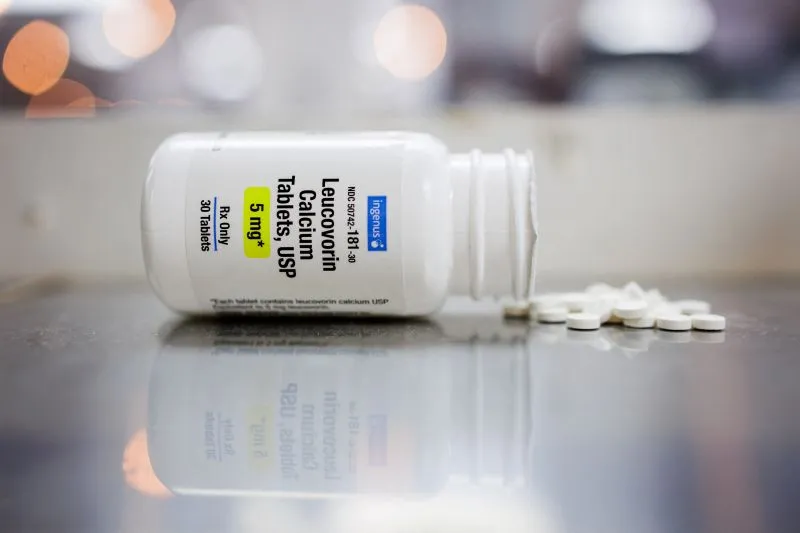
FDA Approval of Leucovorin
The FDA has officially approved leucovorin for treating cerebral folate deficiency stemming from a genetic condition. This update emphasizes the drug's application for a condition found in about 1 in 1 million individuals, effectively separating its use from the broader context of autism.
Background of Leucovorin
Leucovorin, a high-dose B vitamin, has been historically utilized to mitigate the side effects of chemotherapy. The recent approval marks a pivotal moment for patients suffering from this rare ailment, with FDA Commissioner Dr. Marty Makary labeling it as a significant milestone.
Controversy Over Autism Treatment
The FDA’s decision has sparked discussions due to earlier assertions from federal officials about the drug's potential benefit for thousands of children diagnosed with autism. Notably, the approval contrasts sharply with the agency's limitations regarding the drug's broader efficacy for autism symptoms.
- The condition affects under 50 identified cases worldwide.
- Research has shown potential speech improvement in 60% of children with folate deficiency and autism.
- Parents reported experiencing shortages and difficulties in obtaining prescriptions.
Dr. I. David Goldman warned about misleading conclusions regarding the condition's overlap with autism, stressing the established usage of leucovorin solely for the genetic deficiency.
Conclusion of Follow-Up Actions
The FDA officials have indicated that current data does not support the expansion of leucovorin's use for autism treatments at this time. Further research in this area may be pursued, but the agency does not currently fund exploratory studies for drugs in this context.
This article was prepared using information from open sources in accordance with the principles of Ethical Policy. The editorial team is not responsible for absolute accuracy, as it relies on data from the sources referenced.