Elon Musk's Neuralink and Its Groundbreaking Blindsight Device for Vision Restoration
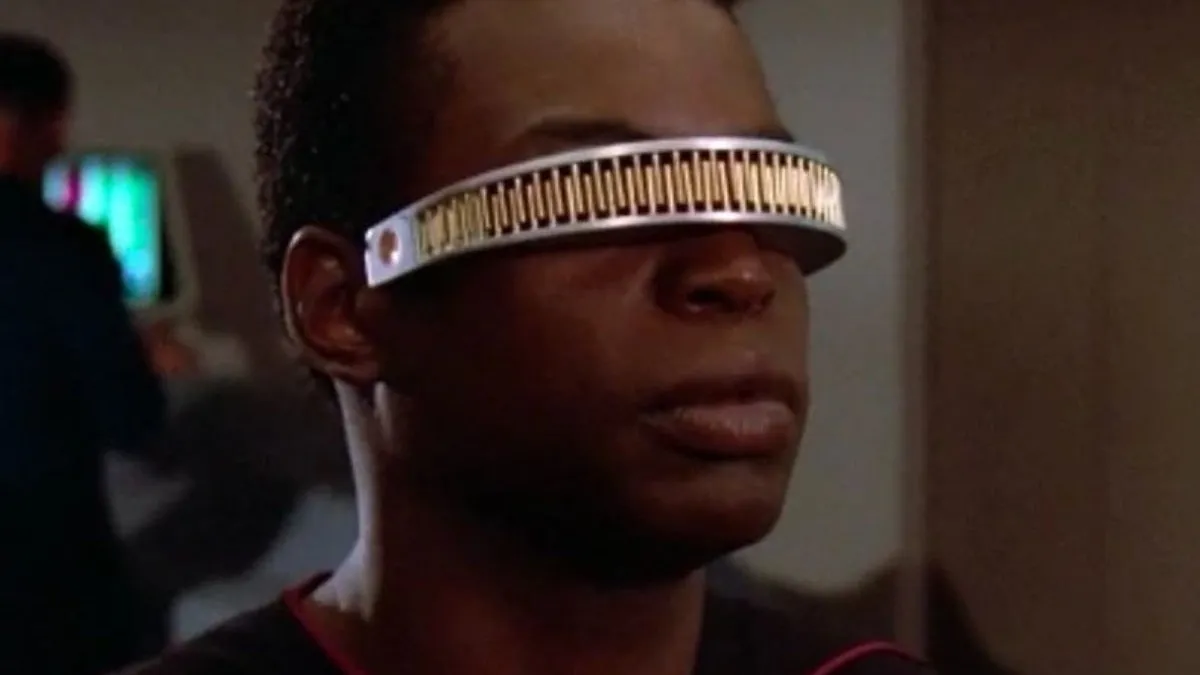
Neuralink's Blindsight Device Overview
Elon Musk's Neuralink is at the forefront of medical technology innovation with its Blindsight device, which has recently received special clearance from the FDA. This breakthrough device is designed to restore vision for individuals who have lost both their eyes or optic nerves, provided their visual cortex remains intact.
How Blindsight Works
- The device targets the brain’s visual cortex directly.
- Patients with irreparable sight loss may regain some vision.
- Individuals blind from birth may experience sight for the first time.
Device Limitations and Future Potential
Musk has noted that the initial version of Blindsight will not provide perfect vision, operating with low resolution akin to classic video games. However, there is potential for future iterations to enhance vision beyond natural capabilities, including perception of infrared and ultraviolet light.
FDA Breakthrough Device Designation
The FDA has awarded Neuralink's Blindsight the designation of “Breakthrough Device,” highlighting its potential significant benefits for treating serious conditions. This status facilitates collaboration with the FDA to expedite development processes.
Broader Implications for Neuralink
Blindsight is part of Neuralink's wider ambition in the medical field, which includes brain-chip interfaces aimed at assisting paralyzed patients. Earlier success in implanting brain chips has allowed some patients to interact with digital environments using only their thoughts.
This article was prepared using information from open sources in accordance with the principles of Ethical Policy. The editorial team is not responsible for absolute accuracy, as it relies on data from the sources referenced.