Neuroscience Study: How the Brain Processes Zero in Numeric Processing
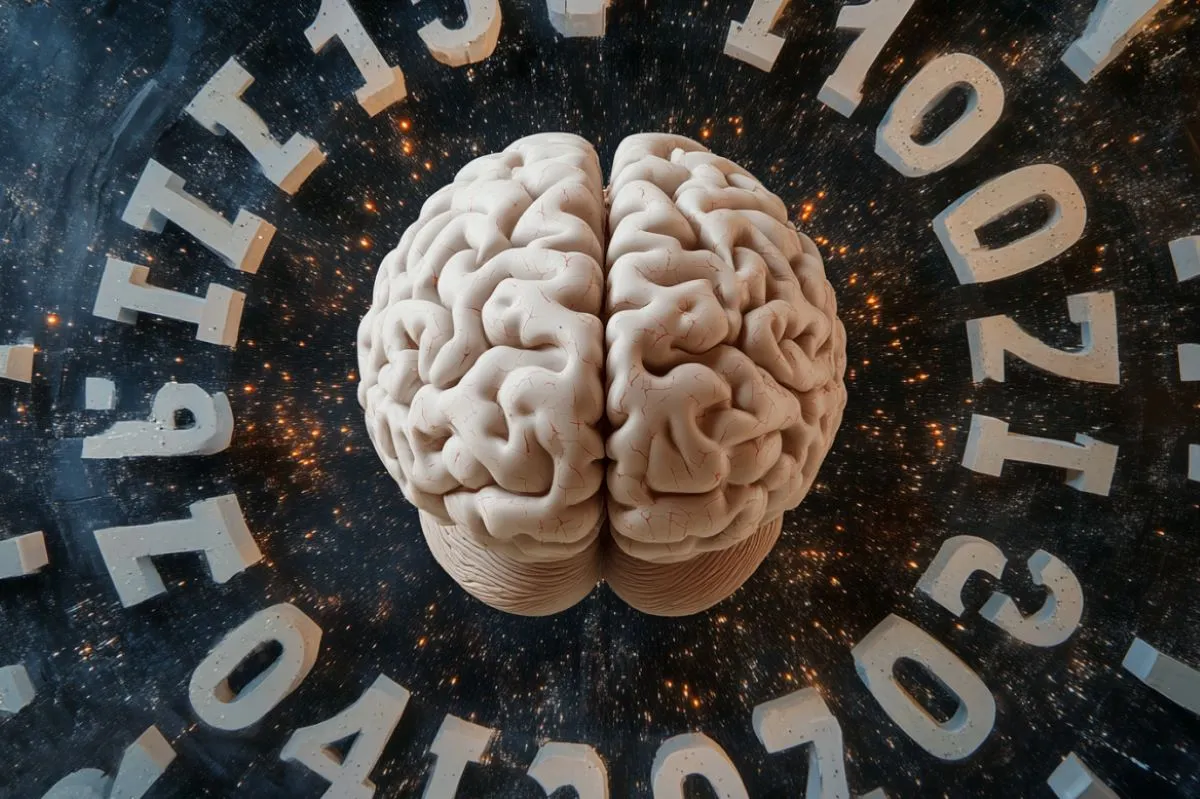
Understanding Zero: A Neurobiological Perspective
Recent brain research from the University of Bonn has unveiled that neurons are capable of identifying zero as a real number, enhancing our knowledge of numeric processing in neurobiology. This pivotal study challenges previous notions and signifies a step forward in neuroscience.
The Role of Zero in Math and Neurobiology
Zero has often been perceived merely as a placeholder in mathematics. However, this groundbreaking research demonstrates that it holds profound implications in neurobiology. The findings suggest that the brain's interpretation of zero as a number is vital for arithmetic operations and cognitive science.
- Significance of Numeric Processing: Understanding how the brain encodes numerical values is crucial.
- Implications for Education: This research could influence teaching methods related to mathematics.
- Broader Research Implications: Further studies may explore how zero affects mathematical reasoning.
Potential Applications and Future Research
Insights gained from this study could lead to new educational strategies and therapeutic approaches in neurobiology. Researchers aim to delve deeper into how numerals, including zero, are processed in the brain, thereby potentially transforming our comprehension of mathematical learning and cognitive frameworks.
This article was prepared using information from open sources in accordance with the principles of Ethical Policy. The editorial team is not responsible for absolute accuracy, as it relies on data from the sources referenced.