Nurses' Key Role in Managing Adverse Events and Interstitial Lung Disease in Breast Cancer Patients Receiving T-DXd
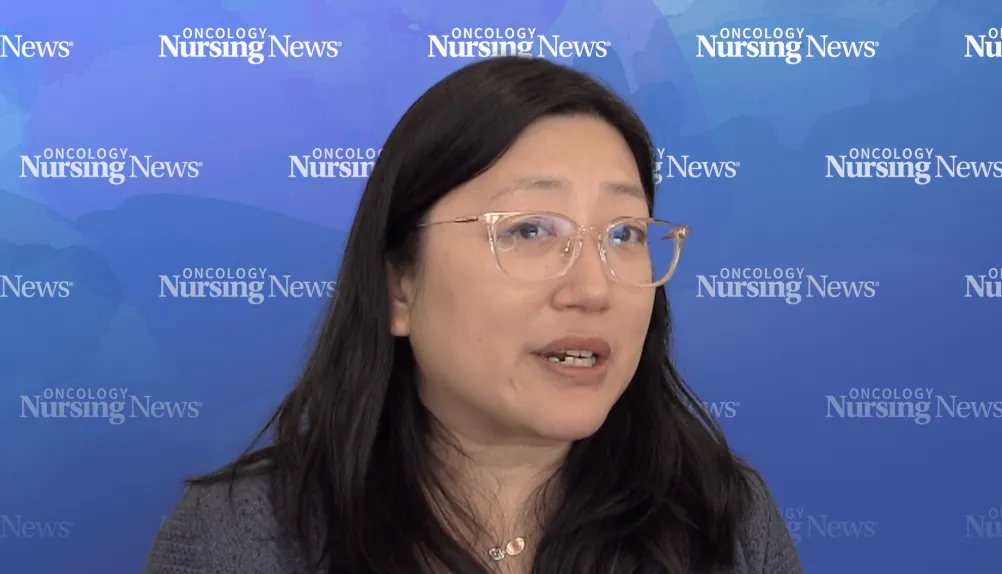
Understanding the Role of Oncology Nurses in Breast Cancer Treatment
Before initiating treatment with trastuzumab deruxtecan (T-DXd), it is crucial for oncology nurses to engage patients in discussions regarding potential adverse events. This includes education about nausea and vomiting as well as hair loss. The DESTINY-Breast-12 trial has shown significant response rates in patients with HER2-positive metastatic breast cancer, stressing the importance of thorough patient counseling.
The Importance of Discussing Interstitial Lung Disease
- Interstitial lung disease can pose serious risks, including shortness of breath and cough.
- Patients should be able to recognize these symptoms and seek prompt care if necessary.
- Proper education by nurses ensures patients are prepared for potential side effects, enhancing treatment adherence and safety.
Conclusion: Empowering Patients Through Education
Effective communication by oncology nurses regarding adverse events and interstitial lung disease symptoms is vital for patient safety and treatment success. By fostering an environment where patients feel informed and prepared, nurses can make a significant impact on their patients' treatment journeys.
This article was prepared using information from open sources in accordance with the principles of Ethical Policy. The editorial team is not responsible for absolute accuracy, as it relies on data from the sources referenced.