Clinical Trials: The Transformative Role of Organoids in Drug Discovery
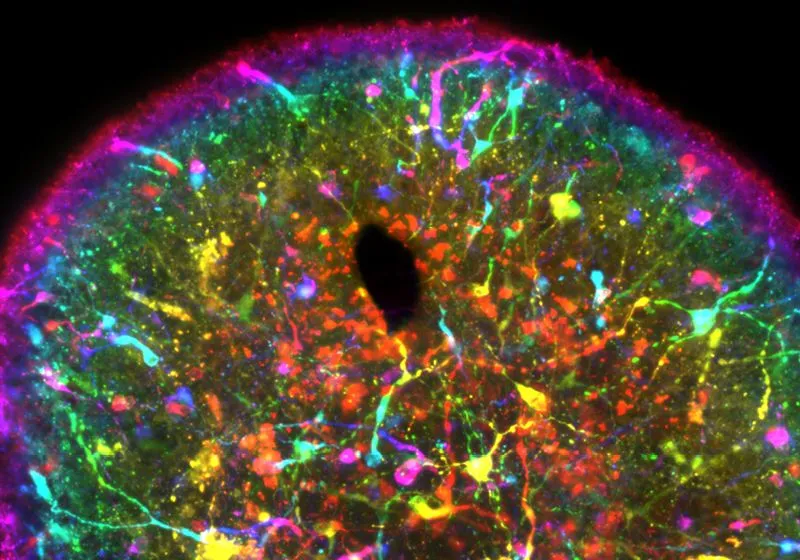
The Revolutionary Impact of Organoids in Clinical Trials
Clinical trials are increasingly leveraging organoids, which are three-dimensional structures derived from human stem cells that closely mimic human tissues. These models address critical limitations of traditional 2D cell cultures and animal models, providing a more accurate environment for drug discovery and testing.
Advances in Drug Discovery
In the pursuit of effective therapies, the limitations of preclinical research are pronounced. By utilizing organoids, researchers can better model complex diseases and examine therapeutic efficacy in a way that was not previously possible.
- Organoids facilitate modeling of human diseases.
- They improve the predictive value of drug efficacy and safety.
- These models can accelerate advancements in translational science and personalized medical approaches.
A Paradigm Shift in Preclinical Testing
With organoid technology, clinical trials are evolving towards more human-relevant models, thereby reducing the high failure rates traditionally associated with drug development. This transition is not just a technical innovation; it represents a fundamental change in how we approach clinical research and patient treatment.
This article was prepared using information from open sources in accordance with the principles of Ethical Policy. The editorial team is not responsible for absolute accuracy, as it relies on data from the sources referenced.