FDA News on Limiting Knockoff Versions of Ozempic and Zepbound
The FDA's Proposal
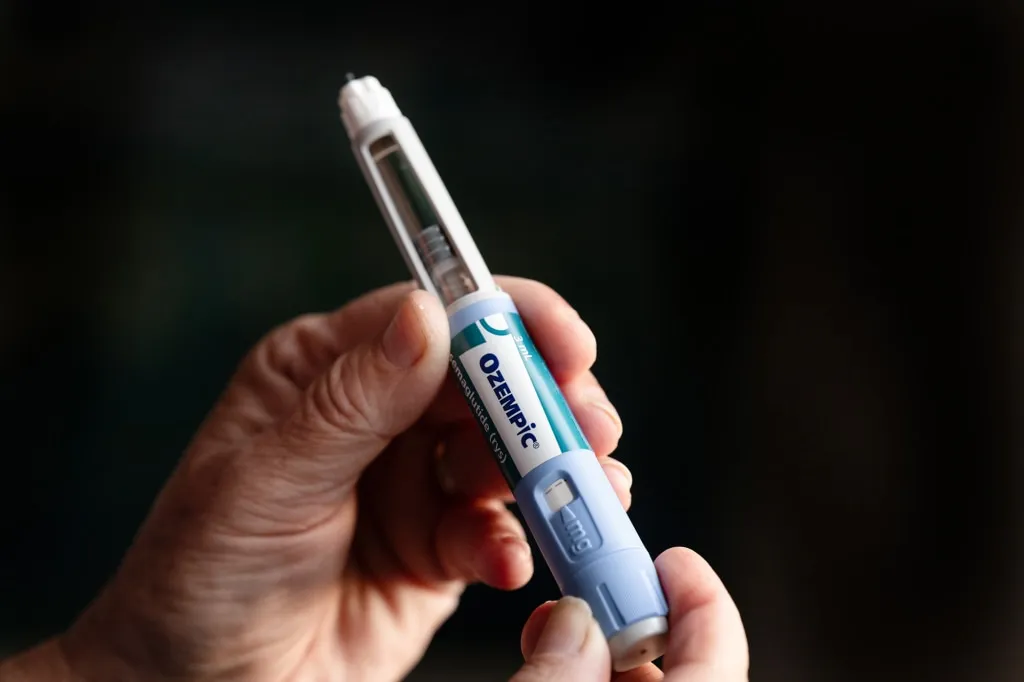
The U.S. Food and Drug Administration on Thursday proposed excluding Novo Nordisk and Eli Lilly’s weight-loss drugs from a key compounding list, potentially limiting large-scale production by outsourcing facilities.
Impact on Telehealth Firms
- If finalized, the move could impact telehealth firms that rely on outsourcing facilities to produce these drugs in bulk.
- This measure aims to bolster Novo and Lilly’s efforts against unauthorized versions that affect sales of their blockbuster treatments.
- The regulator acknowledged no clinical need for outsourcing facilities to compound semaglutide, the active ingredient in Novo’s Wegovy and Ozempic.
Regulatory Context
The proposal also extends to Novo’s older molecule, liraglutide. Lilly and Novo commended the FDA’s affirmation that there is no clinical need to compound these drugs.
- “This means there is no basis for compounders to make tirzepatide knockoffs,” stated a spokesperson for Lilly.
- The FDA is reviewing nominations for the 503B bulks list, which identifies drug ingredients that outsourcing facilities may use in compounding.
Compounding, where pharmacies mix ingredients for specialized medicines or copy a drug at different dosages, gained traction as Americans seek affordable options. It is legal under specific circumstances.
Public Engagement
The FDA has invited public comment on the proposal until June 29, before issuing a final decision.
This article was prepared using information from open sources in accordance with the principles of Ethical Policy. The editorial team is not responsible for absolute accuracy, as it relies on data from the sources referenced.