Health Minister Y Satya Kumar Yadav's Reforms for Drug Supply System
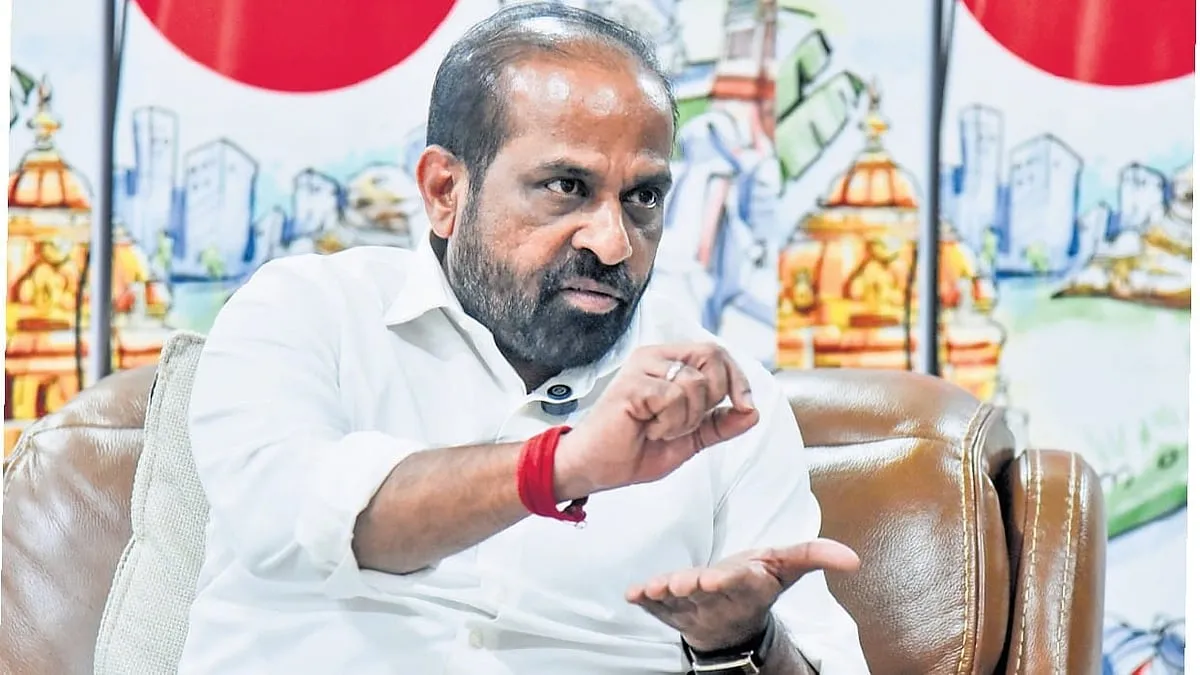
Major Drug Supply Reforms by Health Minister Y Satya Kumar Yadav
VIJAYAWADA: The State government is set to revolutionize the drug supply system for government hospitals, a move aimed at guaranteeing uninterrupted availability of essential medicines. Health Minister Y Satya Kumar Yadav has emphasized that a specialized agency will take charge of the purchasing, distribution, and delivery processes for medicines. This reformation includes a thorough reevaluation of the Essential Medicine List (EML) and Additional Medicine List (AML).
The Minister stated that unnecessary drugs will be eliminated while new, relevant combinations will be introduced based on recommendations from doctors, pharmacists, and hospital superintendents. Strengthening coordination between physicians and pharmacists is crucial for improving operational efficiency.
Direct Supply to Hospitals
During a high-level meeting, officials addressed issues regarding shortages and delays in medicine supply. The Minister has mandated that medicines listed under national health programs should be supplied directly from the Central Drug Store to hospitals to further streamline the process and prevent delays.
Enhancing Transparency
Hospitals are now required to log local purchases on the E-Aushadhi portal to promote transparency. Health Secretary Saurabh Gaur mentioned that prescriptions will undergo audits, allowing hospitals to check availability of medicines online across various facilities, thus enabling better logistical adjustments. Information regarding shortages at central stores will also be made accessible online.
Update on Current Medicines Supply
Officials from the AP Medical Services & Infrastructure Development Corporation (APMSIDC) indicated that among 712 listed medicines, 176 are currently not being supplied due to insufficient demand. Some examples include Betaxolol (eye drops) and Tacrolimus (skin cream), for which tenders were not issued as no bids were received for Methylprednisolone injections. Consequently, hospitals have resorted to local procurement.
Current stock levels show that 177 medicines are adequate for three months, 84 types for 2–3 months, 80 types for 1–2 months, and 178 types for merely one month, with 17 medicines completely unavailable. Officials reported that 380 medicines valued at Rs 71.12 crore are in the pipeline for procurement and delivery to hospitals. This initiative marks a pivotal progression towards modernizing the state’s medical supply chain, as the Minister reassured that another 380 varieties of medicines will soon bolster hospital inventories.
This article was prepared using information from open sources in accordance with the principles of Ethical Policy. The editorial team is not responsible for absolute accuracy, as it relies on data from the sources referenced.