Atrial Fibrillation Screening and Health Equity in Indigenous Populations
Sunday, 24 May 2026, 13:09
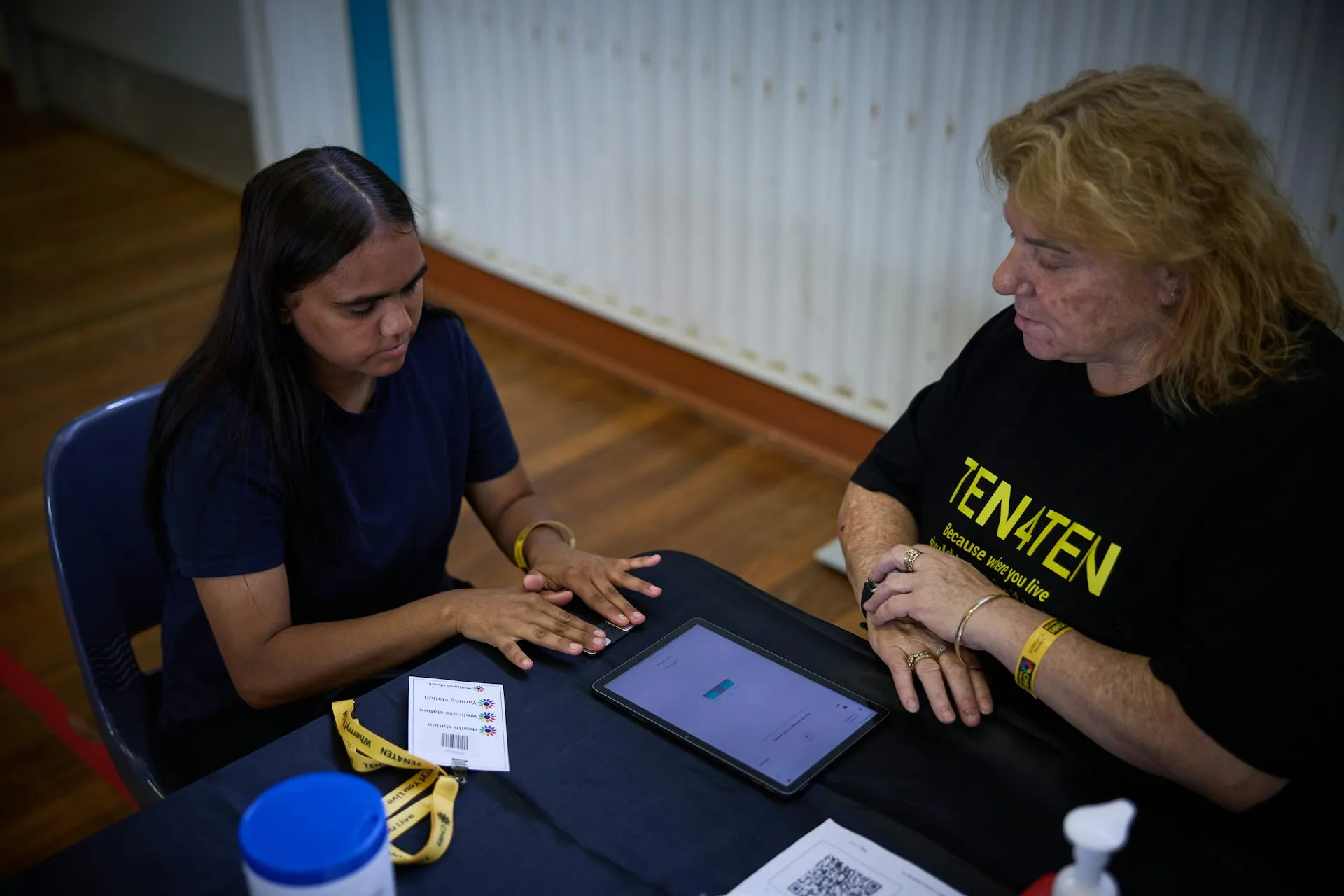
Atrial Fibrillation: A Significant Public Health Concern
Atrial fibrillation is a common heart condition that significantly increases the risk of strokes, especially among Indigenous populations. Recognizing the early signs and implementing screening strategies can lead to timely interventions.
Health Disparities and Indigenous Health
- Indigenous people face higher risks of heart disease due to various social determinants of health.
- Screening at age 55 can significantly mitigate early stroke risks.
Prevention Strategies and Screening Approaches
- Regular health check-ups for early atrial fibrillation detection.
- Community-based programs to educate about heart disease risks.
- Promoting healthy lifestyle changes to reduce overall heart disease and stroke risks.
Emphasizing prevention and screening can lead to better health outcomes for Indigenous populations. Understanding the links between atrial fibrillation and strokes is pivotal for improving indigenous health.
This article was prepared using information from open sources in accordance with the principles of Ethical Policy. The editorial team is not responsible for absolute accuracy, as it relies on data from the sources referenced.