The Role of Calligraphy in Chinese Education and Its Impact on PISA Scores
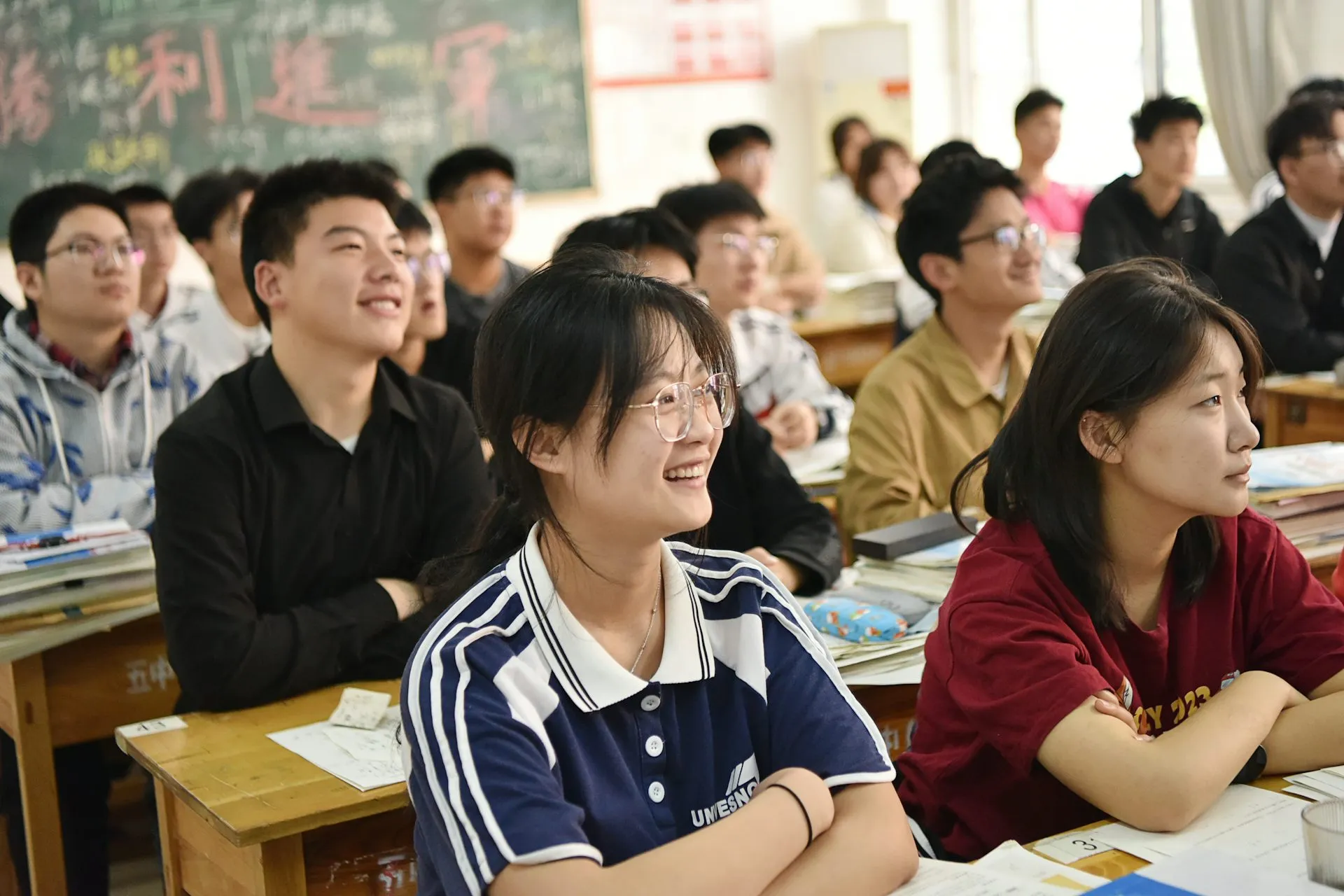
Understanding Calligraphy in Chinese Education
Calligraphy is an integral part of Chinese education that nurtures both creativity and knowledge. This form of artistic expression aligns closely with Confucian values, emphasizing discipline and cultural appreciation.
Confucianism and Its Influence
Confucianism profoundly shapes educational practices in China, fostering a love for learning and a commitment to mastering skills. It encourages students to engage deeply with their studies rather than relying solely on rote learning.
PISA Scores and Global Comparison
- Chinese students consistently achieve higher PISA scores than their Western counterparts.
- This success is attributed to a well-rounded educational approach that incorporates both traditional methods and innovative practices.
- Skills developed through calligraphy contribute significantly to their overall academic performance.
Enhancing Creativity through Education
Unlike conventional education systems, Chinese education fosters a balance of creativity and knowledge. By engaging in calligraphy, students enhance their cognitive abilities and critical thinking, paving the way for future innovations.
This article was prepared using information from open sources in accordance with the principles of Ethical Policy. The editorial team is not responsible for absolute accuracy, as it relies on data from the sources referenced.