Artificial Intelligence in Medicine: The Role of Physicians and Policy
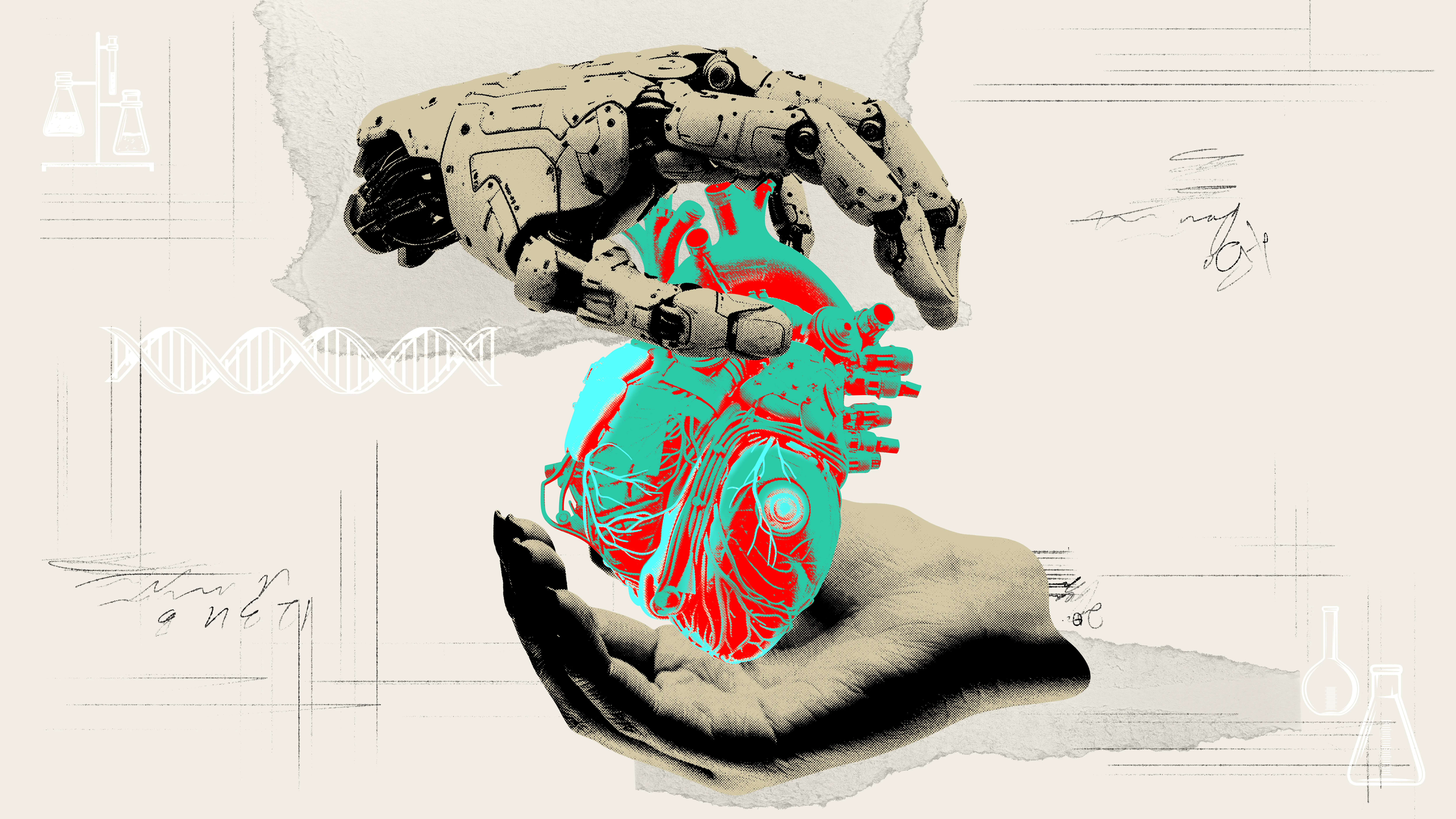
Artificial Intelligence in Healthcare
Artificial intelligence (AI) is poised to reshape medicine, presenting both opportunities and challenges for physicians. As healthcare evolves, it becomes essential for doctors to take an active role in how AI integrates into patient care.
The Physician's Role
Physicians are at the frontline of patient care and must lead the way in implementing AI technologies effectively. Their involvement in the development of policies surrounding AI is vital to ensure safe and ethical practices.
Policy Implications
Policymakers face the challenge of creating regulations that not only foster innovation but also maintain patient safety. Engaging healthcare professionals in these discussions can help streamline the introduction of AI into clinical settings.
- AI must be patient-centric.
- Physicians are key stakeholders in AI integration.
- Policies should be flexible to adapt to rapid advancements.
The ongoing debate regarding licensure highlights the need for comprehensive dialogue among all parties involved in healthcare.
Conclusion: The Path Forward
As AI continues to advance, it is crucial for physicians and policymakers to collaborate and create frameworks that prioritize patient outcomes and ethical considerations. Ensuring that the voices of physicians are included in policy decisions will be essential as we navigate these uncharted waters.
This article was prepared using information from open sources in accordance with the principles of Ethical Policy. The editorial team is not responsible for absolute accuracy, as it relies on data from the sources referenced.