Psychedelic Medicine: How Eli Lilly is Transforming Treatment-Resistant Depression
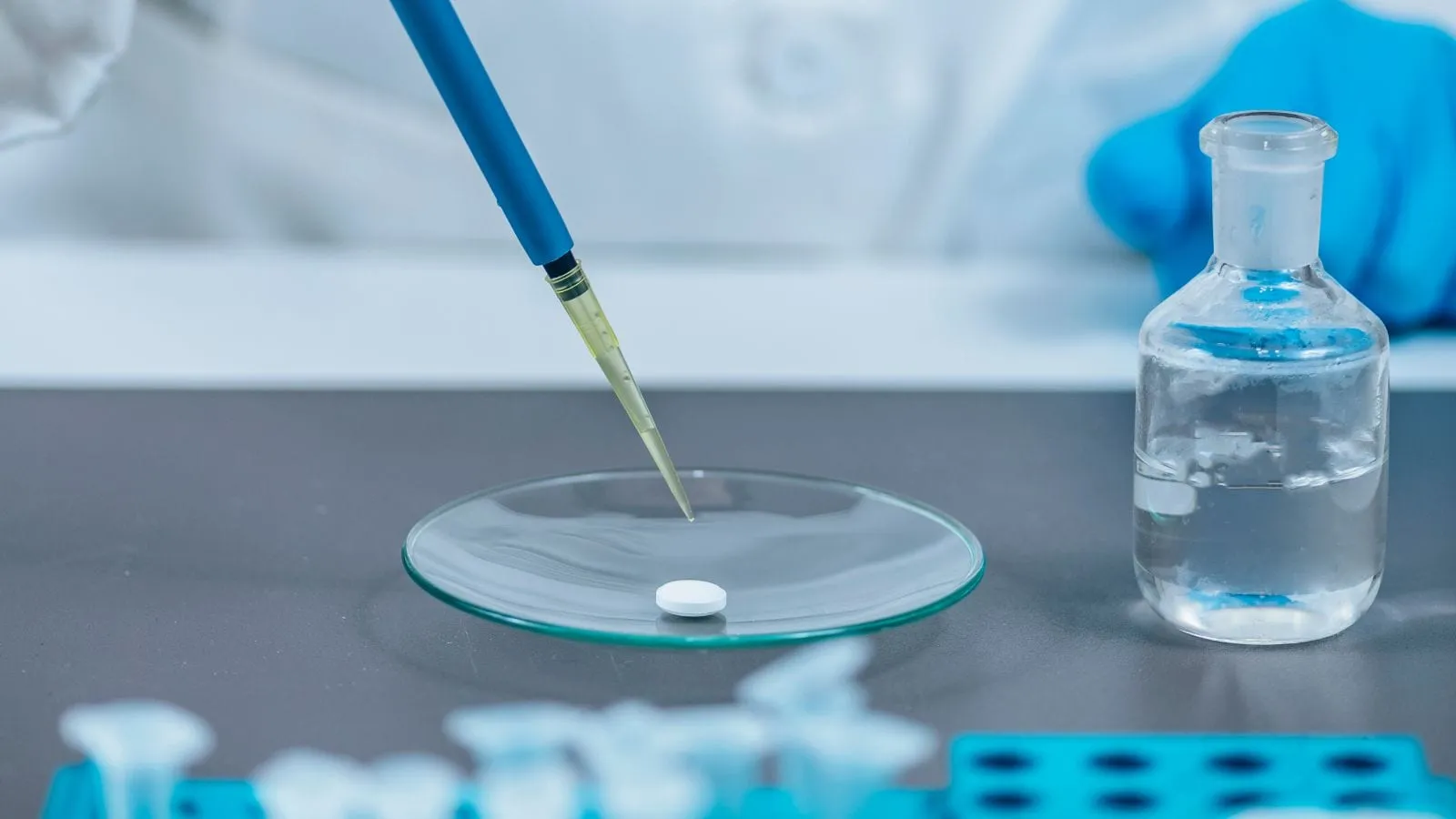
The Rise of Psychedelic Medicine
The landscape of mental health treatment is shifting as psychedelic medicine gains traction. Eli Lilly has notably made a $3.8 billion investment, acquiring AtaiBeckley to develop psychedelic compounds for psychiatric disorders, particularly treatment-resistant depression.
The Details of the Deal
In a landmark deal, Lilly's commitment includes $2.8 billion upfront and an additional billion related to developmental milestones. Central to this investment is BPL-003, an experimental nasal spray derived from 5-MeO-DMT aimed at revolutionizing treatment pathways for patients who have not responded to traditional therapies.
Why Big Pharma is Focusing on Psychedelics
- Research has shown that psilocybin, LSD, and MDMA can offer alternative approaches to treating depression, PTSD, and addiction.
- Unlike conventional antidepressants that require daily dosing, psychedelic therapies may offer quicker and more effective relief.
- These treatments may enhance neuroplasticity, helping patients overcome entrenched thought patterns.
As this sector evolves, the medical community anticipates a potential new class of psychiatric medications that could dramatically change the landscape of mental health treatment.
This article was prepared using information from open sources in accordance with the principles of Ethical Policy. The editorial team is not responsible for absolute accuracy, as it relies on data from the sources referenced.