Marco Donia Highlights Promising Phase 3 Trial Results for Melanoma Neoantigen Therapy
Significant Findings from the Phase 3 Trial
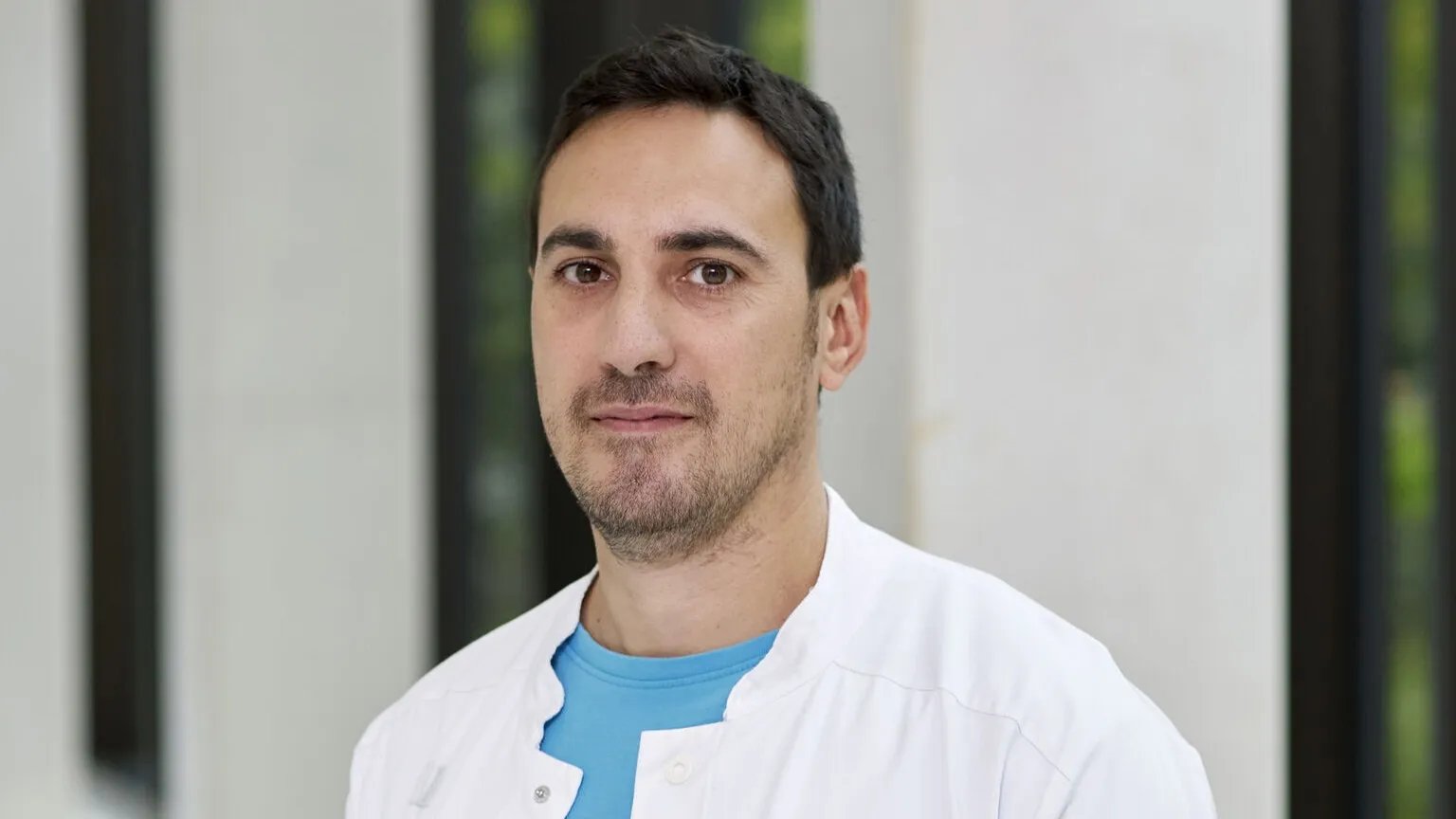
In a groundbreaking Phase 3 clinical trial, Dr. Marco Donia and his team have unveiled promising results for a personalized neoantigen therapy targeting melanoma. This innovative approach employs tailored treatments crafted from the unique genetic mutations of individual tumors, thereby enhancing the immune system's response to cancer.
Key Results and Implications
- Improved Patient Outcomes: Early data suggests a marked improvement in patient responses compared to traditional therapies.
- Tailored Treatment: Each therapy is designed specifically based on the patient's tumor profile for maximum effectiveness.
- Future Research Directions: Plans for expanded studies and long-term follow-up have been outlined to ensure comprehensive evaluation.
Conclusion: A New Dawn for Melanoma Treatment
The implications of Dr. Donia's findings could lead to a paradigm shift in how melanoma is treated, paving the way for personalized cancer therapies that go beyond conventional options. Healthcare professionals are urged to watch this space as research continues. For more information, please visit the original source.
This article was prepared using information from open sources in accordance with the principles of Ethical Policy. The editorial team is not responsible for absolute accuracy, as it relies on data from the sources referenced.