Peptides, Compounding, and GLP-1 Drugs: Navigating FDA Regulations
Peptides and Their Role
Peptides are short chains of amino acids integral to many physiological processes in the body. Recent advancements in medical science have leveraged peptides for various therapeutic applications, significantly in the context of GLP-1 drugs.
Understanding Compounding
Compounding allows pharmacists to tailor medications to the specific needs of patients. However, the rise of large-scale compounding services has raised concerns regarding safety and standardization.
GLP-1 Drugs Overview
- GLP-1 drugs are essential for managing conditions like diabetes and obesity.
- This class of medication mimics the effects of the incretin hormone, improving glucose metabolism.
FDA's Role and Regulations
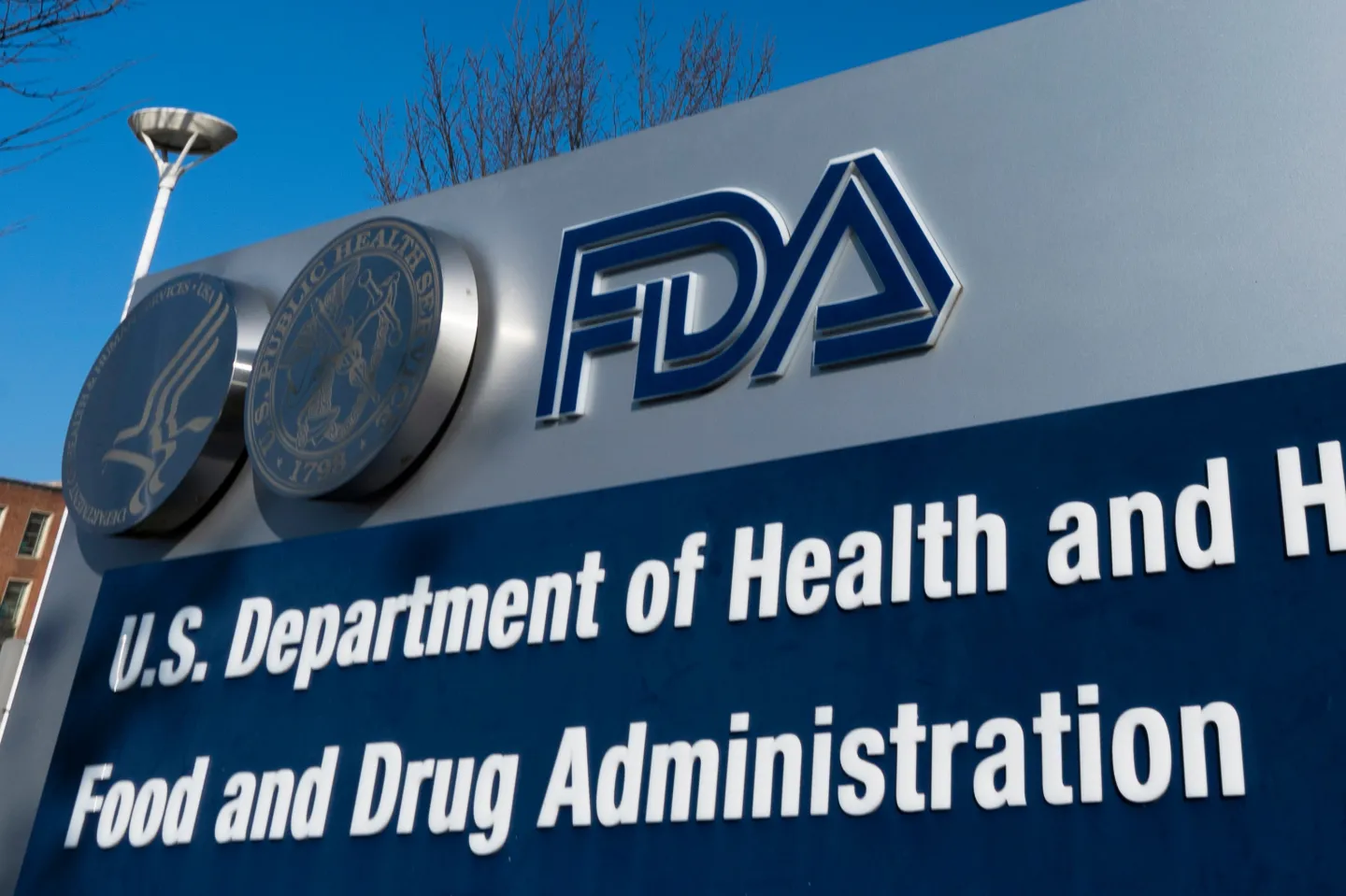
As the regulator, the FDA ensures that all pharmaceutical products, including compounds, meet stringent safety and efficacy standards. Recent discussions about the regulatory landscape for peptides and GLP-1 drugs highlight the importance of staying compliant with FDA guidelines.
This article was prepared using information from open sources in accordance with the principles of Ethical Policy. The editorial team is not responsible for absolute accuracy, as it relies on data from the sources referenced.