India's Food Safety Crackdown and the Role of FSSAI in Ensuring Safety Standards
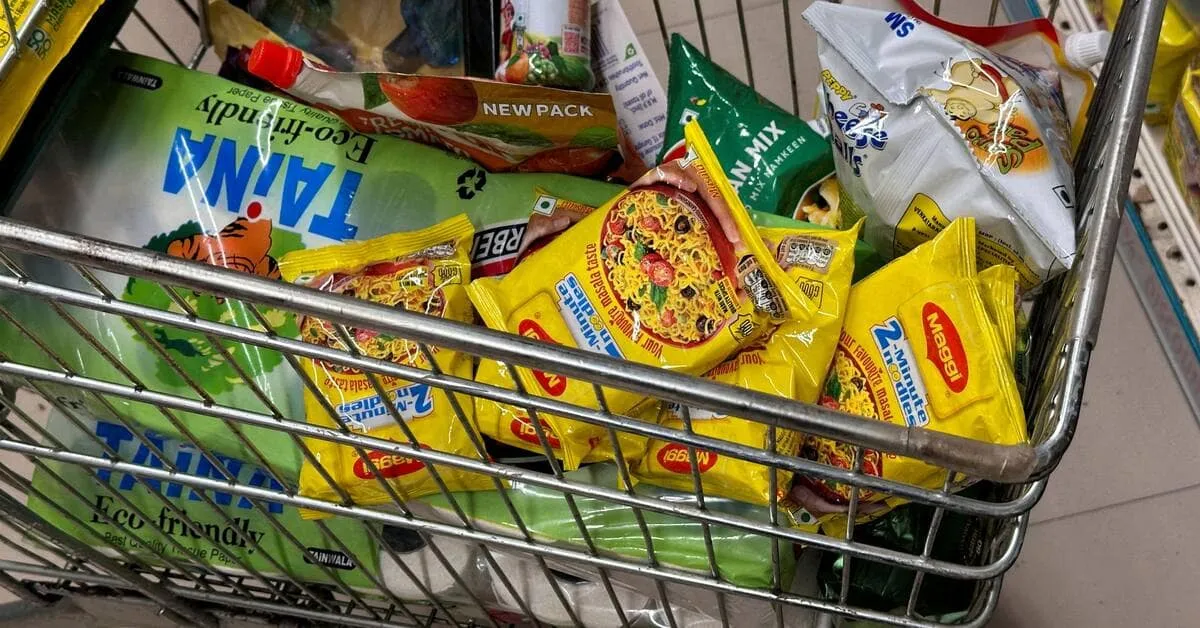
Understanding India's Food Safety Crackdown
India is witnessing a significant food safety crackdown led by the Food Safety and Standards Authority of India (FSSAI). This initiative has resulted in numerous local eateries and branded restaurants facing suspensions due to safety violations. The focus on food adulteration has sparked discussions around front-of-pack warning labels, critical for transparency in the packaged food industry.
Challenges in Food Safety in India
The challenges surrounding food safety in India are exacerbated by the country's vast population, leading to a complex landscape of compliance.
- More than 100,000 food samples tested annually reveal high rates of unsafe food products.
- Inadequate hygiene at local eateries and unregulated street food stalls increase public health risks.
FSSAI's Regulatory Measures
Recent efforts from the FSSAI have heightened scrutiny on food businesses. Notably:
- Thousands of food business licenses have been cancelled in recent years due to violations.
- Prominent officials like Tukaram Mundhe have gained recognition for their decisive actions against establishments breaching safety protocols.
The Push for Warning Labels
In light of consumer health concerns, FSSAI is advocating for front-of-pack warning labels for products high in sugar, salt, and fat:
- The introduction of a red hexagonal stamp aims to inform consumers about high nutrient contents.
- Resistance from industry stakeholders poses ongoing challenges to the implementation of these regulations.
Activism and Industry Response
Both consumers and industry representatives are vocal about their positions regarding food safety proposals:
- Activists argue that the current proposals are too lenient, while the industry warns that they may result in excessive labeling.
- Public discourse continues as the Supreme Court reviews the FSSAI proposals on September 10.
This article was prepared using information from open sources in accordance with the principles of Ethical Policy. The editorial team is not responsible for absolute accuracy, as it relies on data from the sources referenced.