Protein Degrading Drugs for Breast Cancer: Understanding Market Challenges
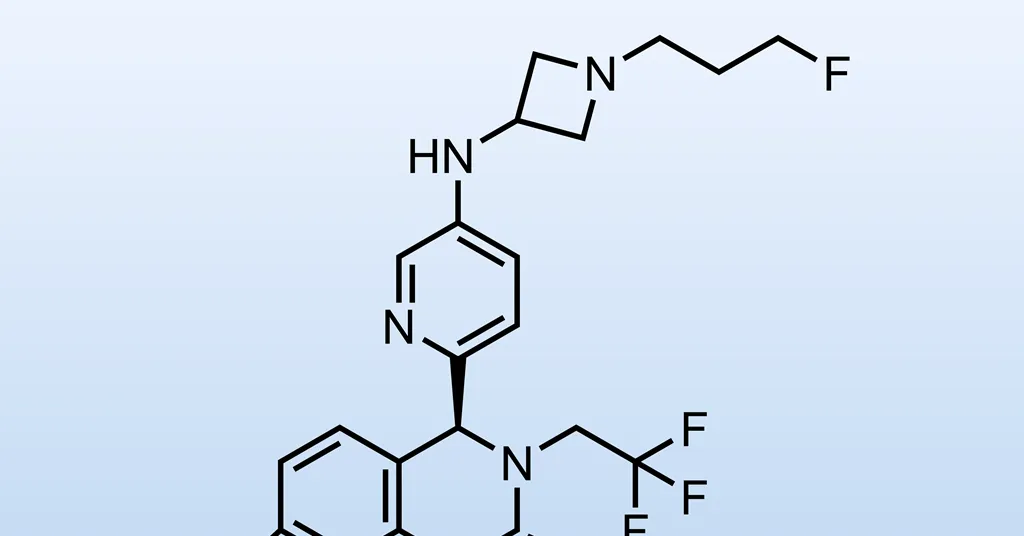
Protein Degrading Drugs for Breast Cancer
Protein degrading drugs for breast cancer represent a novel approach to treatment, focusing on targeted therapies that can potentially improve outcomes for patients resistant to traditional therapies. Recently, camizestrant received approval in the US, UK, and Europe, bringing hope to many. However, uncertainties regarding long-term benefits still cast a shadow over its initial success.
Current Landscape of Breast Cancer Treatments
The emergence of vepdegestrant as another approved treatment in the US further demonstrates the ongoing innovation within this sphere. While both medications are designed to tackle specific pathways in the disease process, their journey to widespread clinical utilization necessitates careful assessment by healthcare professionals.
Challenges Ahead
- Understanding patient eligibility for these therapies
- Evaluating the long-term effectiveness
- Ensuring accessibility and reimbursement
In conclusion, as oncology continues to evolve, the excitement surrounding protein degrading drugs must be balanced with vigilant scrutiny. Engaging with these therapies is crucial for optimizing patient care in breast cancer treatment.
This article was prepared using information from open sources in accordance with the principles of Ethical Policy. The editorial team is not responsible for absolute accuracy, as it relies on data from the sources referenced.