Science News: How NASA's Voyager 2 Unraveled Physics Mysteries of Uranus
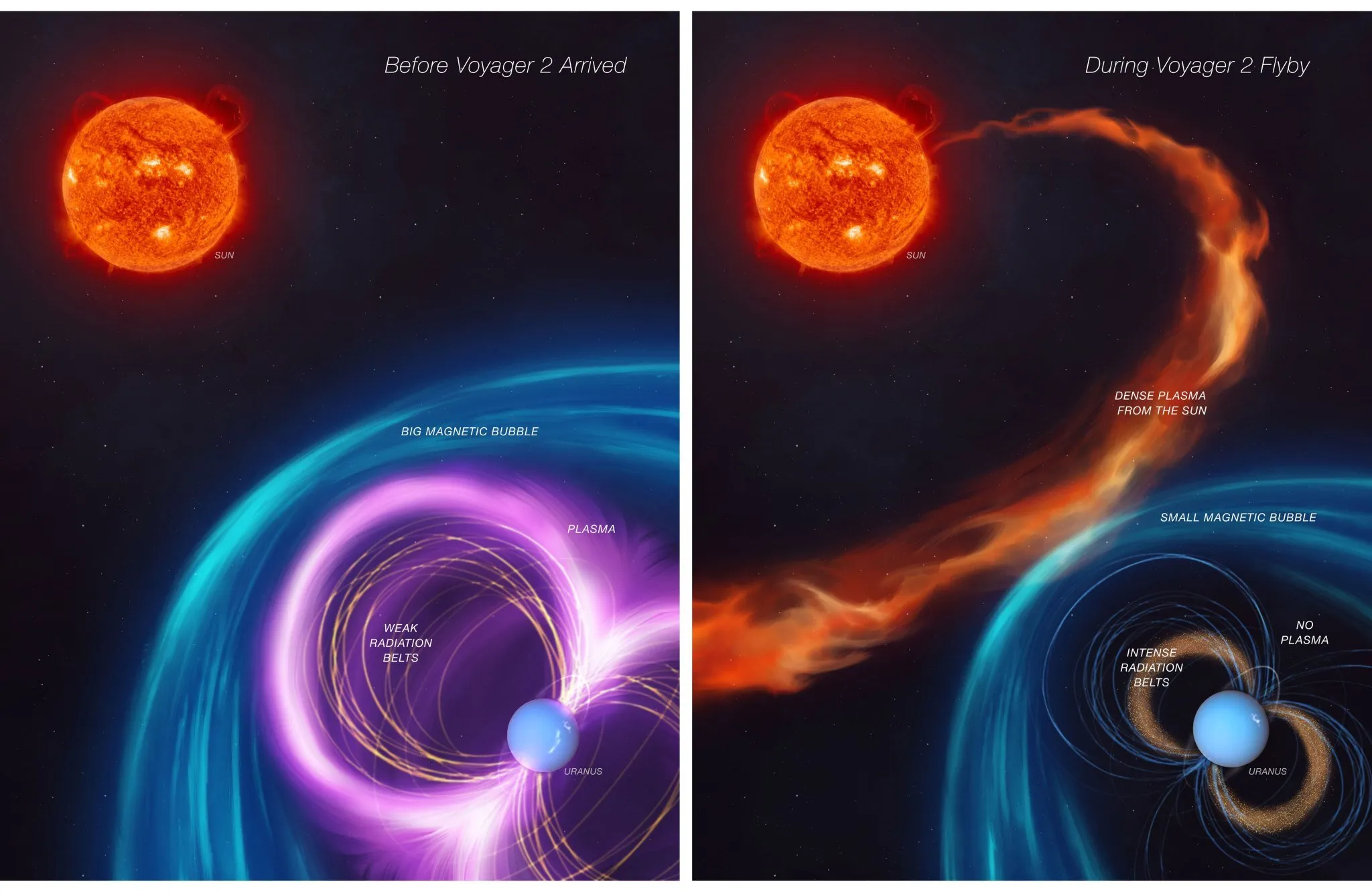
NASA's Voyager 2 and Its 1986 Encounter
The Voyager 2 spacecraft, launched by NASA, made history when it flew by Uranus in 1986. This pivotal moment gave scientists their first and only detailed glimpse of the planet. Despite the passage of time, recent efforts to revisit the data have unveiled surprising revelations.
Unraveling Mysteries through Old Data
- Strange Rotational Dynamics: The sideways rotation of Uranus continues to perplex researchers, but the old data has shed light on its unique dynamics.
- Atmospheric Composition: Insights into the materials present in Uranus's atmosphere challenge past assumptions.
- Magnetic Field Anomalies: Strange behaviors detected in Uranus's magnetic field raise questions about its internal structure.
Future Implications for Physics
These discoveries underline the importance of revisiting historical data and utilizing technological advancements in physics research. Researchers are hopeful that continued analysis could lead to more groundbreaking findings related to not only Uranus but also other celestial bodies.
This article was prepared using information from open sources in accordance with the principles of Ethical Policy. The editorial team is not responsible for absolute accuracy, as it relies on data from the sources referenced.