Apparel's Impact on Environmental Sustainability: H&M's Initiative Under Vietnam’s DPPA
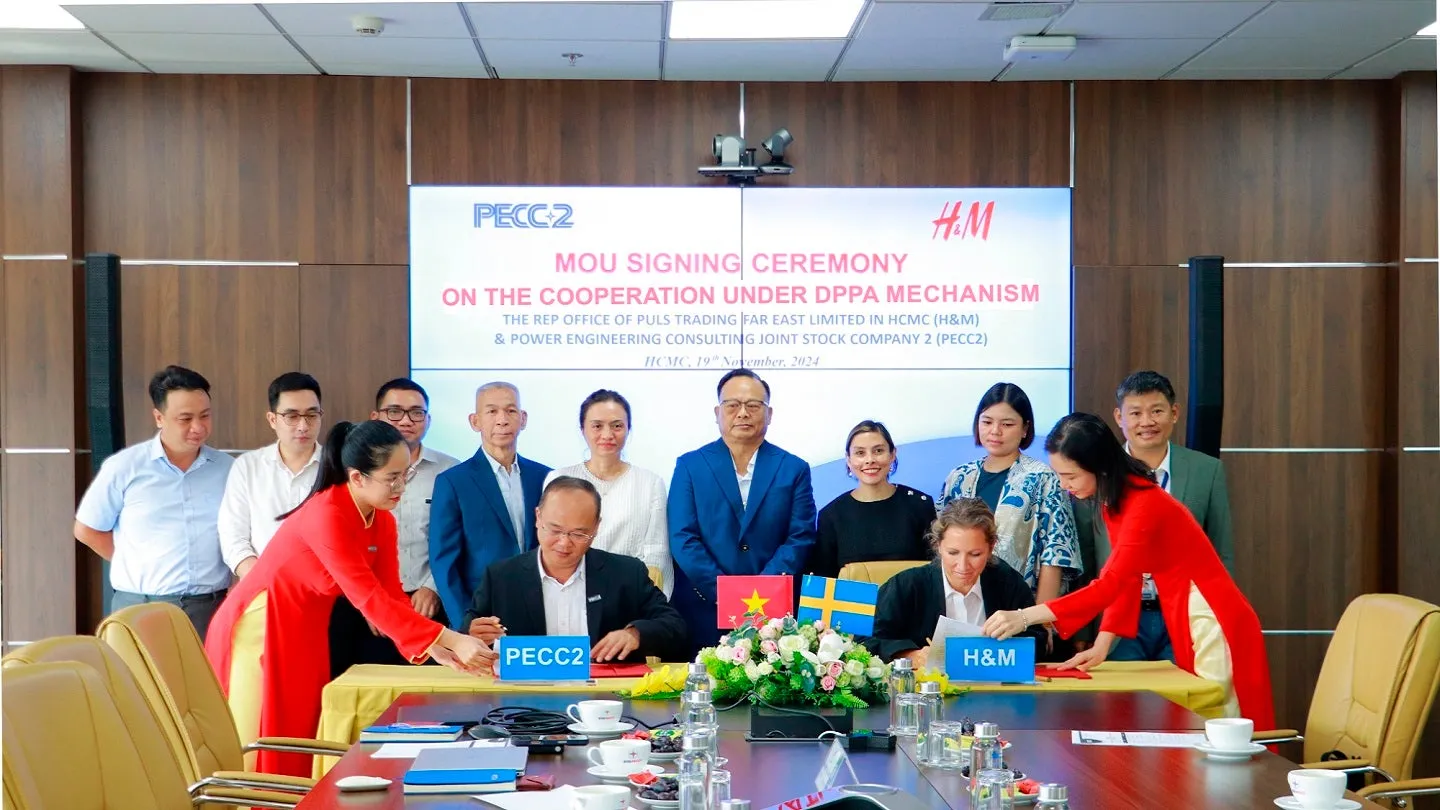
Apparel's Role in Environmental Sustainability
In a groundbreaking effort, H&M has signed a memorandum of understanding (MoU) with PECC2, focusing on green energy supply under Vietnam’s Direct Power Purchase Agreement (DPPA) mechanism. This agreement is a significant step towards enhancing the sustainability of the apparel industry, highlighting H&M's commitment to reducing its environmental impact.
The Direct Power Purchase Agreement (DPPA)
The DPPA serves as a crucial framework that allows companies to purchase renewable energy directly from producers. By engaging in this agreement, H&M is paving the way for a more sustainable operational model that other brands in the apparel sector can emulate.
Significance of Sustainable Practices in Apparel
- Carbon Footprint Reduction: H&M's initiative marks a vital effort in lowering its carbon emissions.
- Global Leadership: As the first major fashion brand to sign a DPPA in Vietnam, H&M sets a trend for others to follow.
- Future of Fashion: This move aligns with growing consumer demand for responsible and transparent manufacturing.
As multiple sectors grapple with climate change, the apparel industry’s response is critical for future sustainability efforts. This agreement underscores a transformative approach to the production and sourcing of apparel.
This article was prepared using information from open sources in accordance with the principles of Ethical Policy. The editorial team is not responsible for absolute accuracy, as it relies on data from the sources referenced.