Aerosol Pollutants from Cooking: New Insights in Physics and Technology
Aerosol Pollutants and Their Atmospheric Behavior
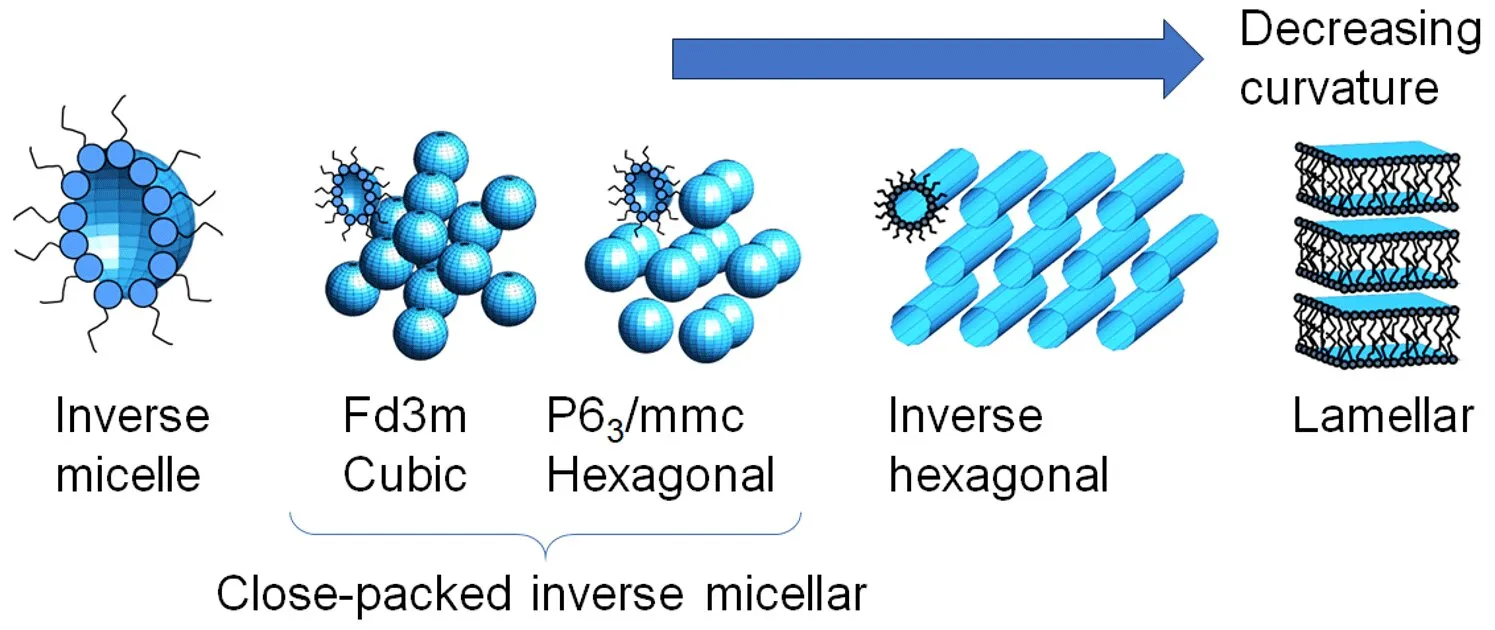
Recent science research sheds light on the behavior of aerosol pollutants from cooking emissions. The findings suggest that these aerosols, alongside sea spray, absorb more water than earlier models predicted. This increased moisture retention may influence how long these particles remain suspended in the atmosphere.
Implications for Environmental Physics
This new understanding of aerosol particles could significantly impact technology and policies aimed at reducing air pollution. Particle longevity has critical implications for both climate science and public health.
- Enhanced models for predicting air quality
- Potential innovations in air purification technologies
- Broader environmental reforms
This article was prepared using information from open sources in accordance with the principles of Ethical Policy. The editorial team is not responsible for absolute accuracy, as it relies on data from the sources referenced.