Housane Molecules: Unveiling the Future of Drug Development and Advanced Materials
Housane Molecules: A New Horizon in Drug Development
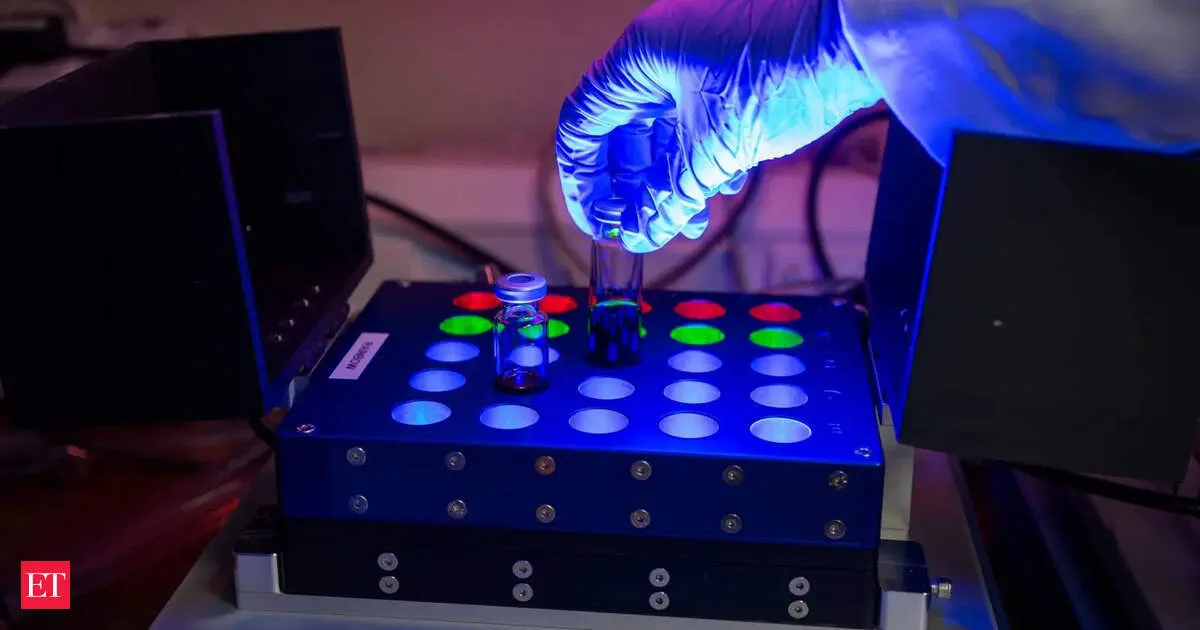
Housane molecules are poised to transform drug development and synthetic chemistry through a novel approach that leverages light-powered chemistry. Researchers at the University of Münster, led by Professor Frank Glorius, discovered a photocatalytic method that enables the synthesis of these complex molecules from readily available starting materials. This method utilizes blue light and a specially designed photocatalyst, addressing the challenges traditional high-temperature synthesis methods posed.
Significance of Housane Molecules in Chemistry
The production of housane molecules has long been a challenge due to their bicyclic hydrocarbon structure, characterized by high internal tension which makes them difficult to synthesize. However, the use of blue light allows for a controlled energy input, facilitating the formation of these valuable structures without damaging sensitive functional groups.
- Drug Development: Housane molecules serve as energy-rich building blocks for complex pharmaceutical compounds.
- Materials Science: Their high-energy properties can lead to innovations in polymer chemistry and responsive materials.
- Sustainable Chemistry: This approach aligns with a broader trend toward mild, selective, and sustainable synthetic methods.
Future Implications
With the development of a reliable synthesis route for housanes, this breakthrough stands to enhance efficiency in drug development and create advanced materials that exhibit remarkable adaptability and functionality.
This article was prepared using information from open sources in accordance with the principles of Ethical Policy. The editorial team is not responsible for absolute accuracy, as it relies on data from the sources referenced.