Pharmacy Closures: The Financial Crisis Facing Small Pharmacies
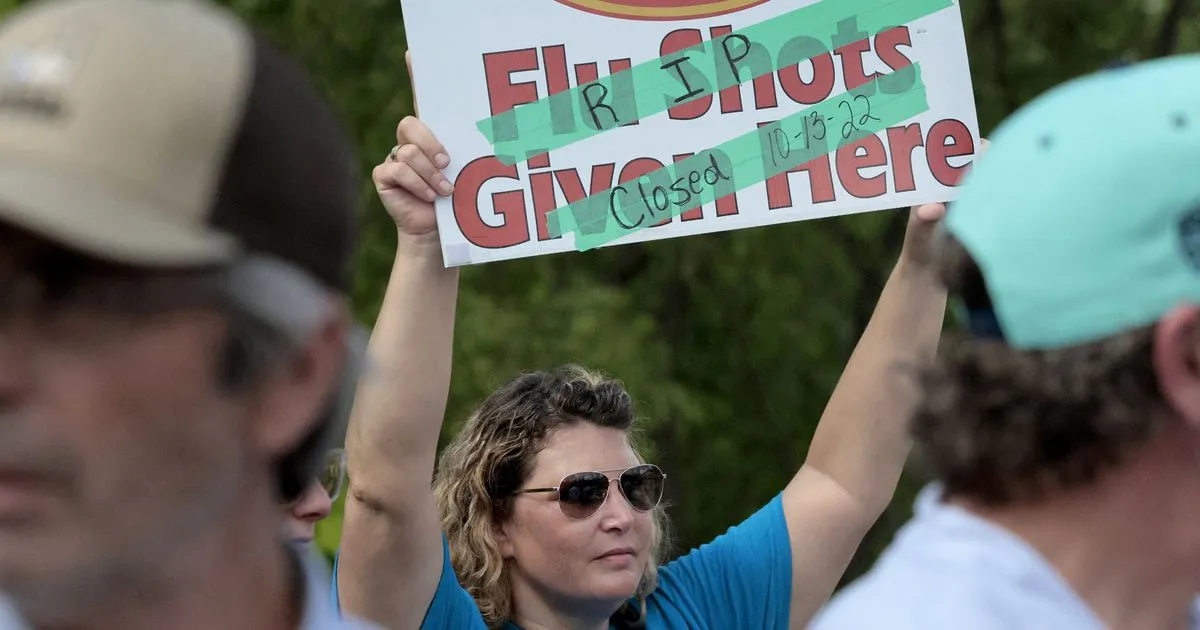
The Financial Struggles of Small Pharmacies
Pharmacy closures are becoming increasingly common, raising significant concerns for local healthcare access. With rising costs and dwindling customer bases, many small pharmacies are declaring that they can’t afford to stay in business. The crisis has led to approximately 45,000 residents in the St. Louis metro area living in a 'pharmacy desert', defined as an urban area lacking a pharmacy within a one-mile radius.
Impact on Public Health
The trend of pharmacy closures does not solely impact the business landscape but also significantly affects public health. Residents without access to nearby pharmacies face increased difficulty when managing their health. This is exacerbated for patients with chronic conditions requiring regular medication. Health disparities will likely widen as more pharmacies close their doors.
Community Voices
- Community members express concerns about access to medications.
- Local pharmacists highlight the importance of personal relationships in healthcare.
- Experts warn that increased pharmacy deserts could lead to worse healthcare outcomes.
Possible Solutions to Pharmacy Closures
As the trend continues, potential solutions should be explored. Many advocates suggest implementing healthcare policies that support small pharmacies through funding and regulatory relief. Collaboration with larger pharmacy chains might also provide necessary resources for survival.
This article was prepared using information from open sources in accordance with the principles of Ethical Policy. The editorial team is not responsible for absolute accuracy, as it relies on data from the sources referenced.