Discovering Heart Health Risks Through Dietary Proteins: A Medicine Research Perspective
Monday, 23 December 2024, 11:13
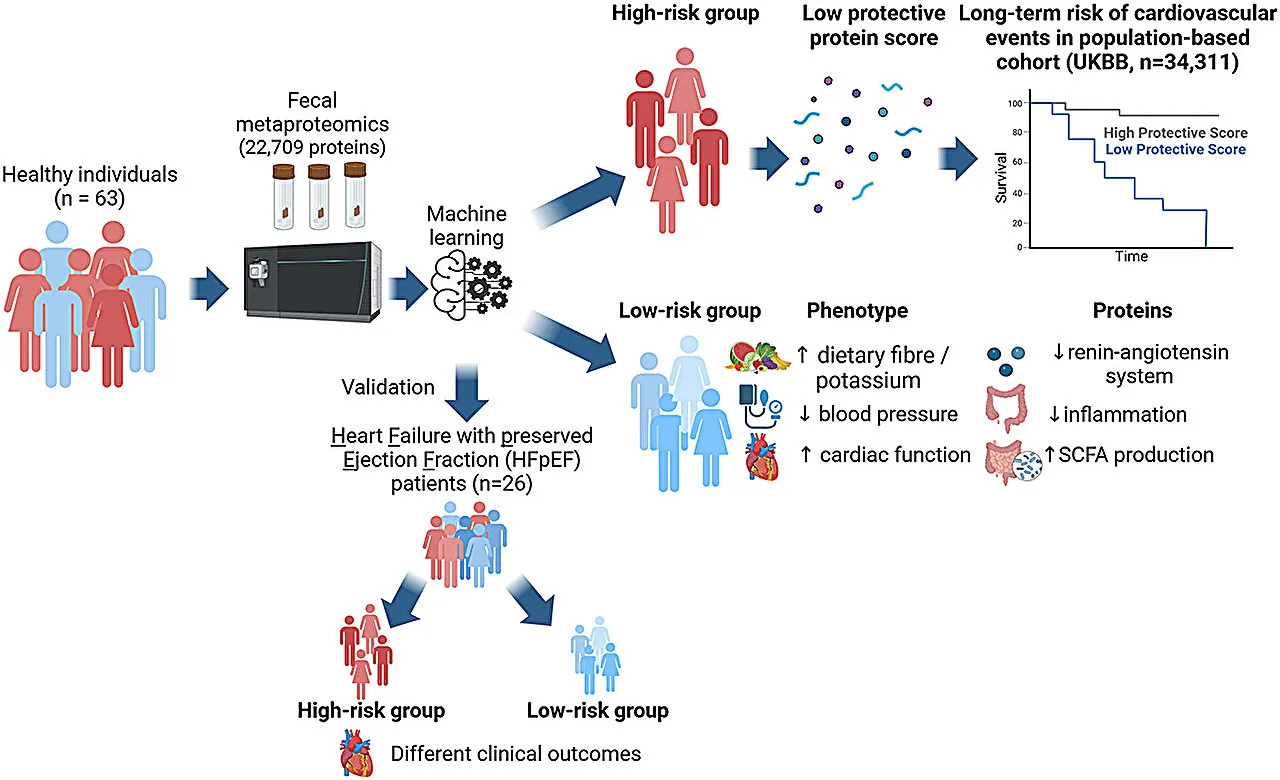
Understanding the Role of Fecal Proteins in Heart Health
Recent studies in medicine research indicate that fecal proteins may hold crucial insights into cardiovascular health. By analyzing both human and microbial proteins present in feces, researchers are looking into a new method for detecting long-term risks of serious heart conditions.
How Fecal Proteins Work
- Microbial Communities: Feces contain a diverse range of microbial proteins that reflect gut health.
- Risk Assessment: Identifying specific protein markers could predict cardiovascular diseases before symptoms arise.
- Non-invasive Approach: This technique offers an alternative to traditional blood tests and invasive procedures.
Implications for Health Research
With the integration of this innovative approach, health research could dramatically improve preventative strategies in cardiology. Researchers are optimistic about the future applications of these findings.
This article was prepared using information from open sources in accordance with the principles of Ethical Policy. The editorial team is not responsible for absolute accuracy, as it relies on data from the sources referenced.