Health Risks and Vaccine Importance in Farming Practices
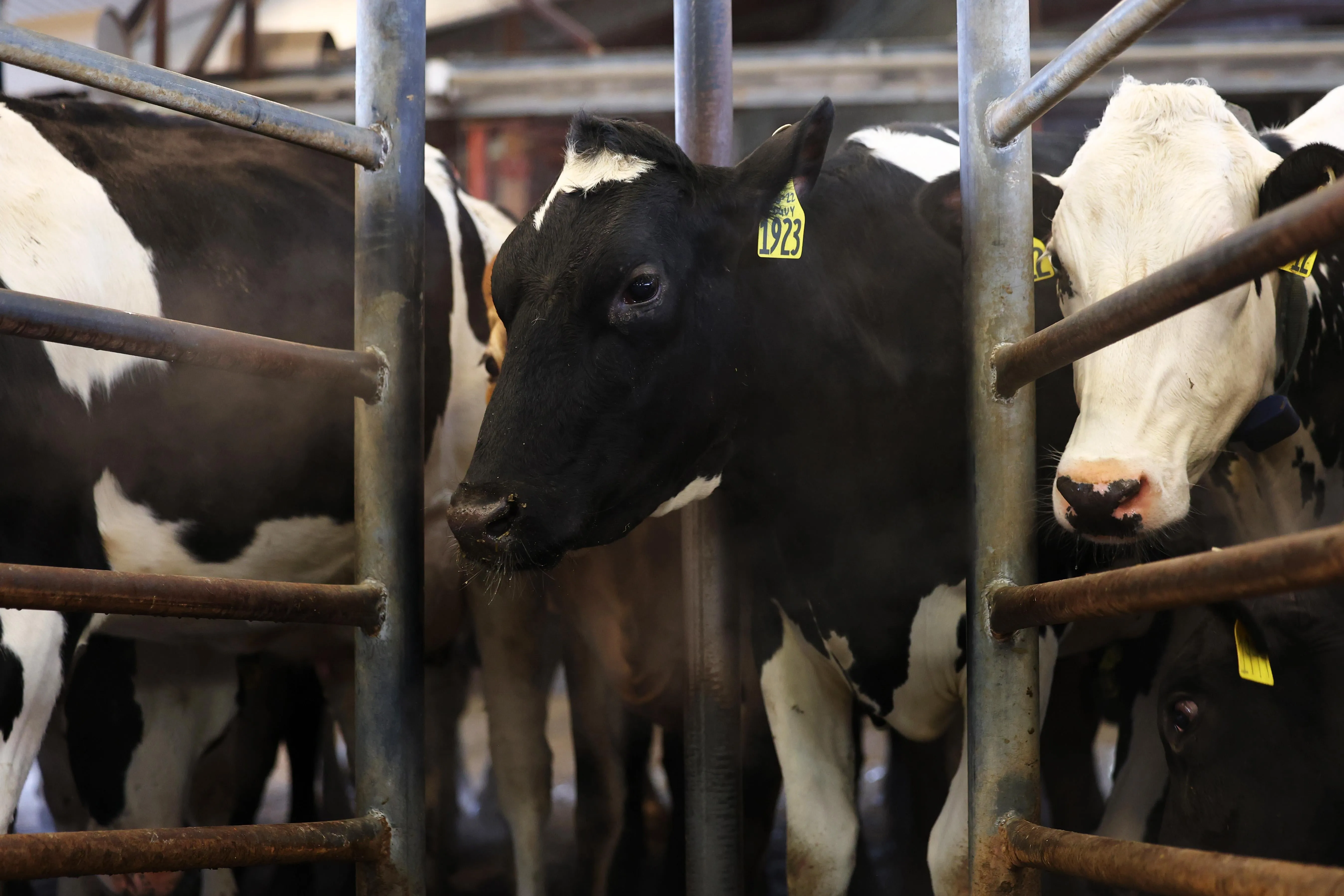
Health Risks Associated with Vaccines in Farming
As an emergency physician, it is imperative to understand the health risks posed by infectious diseases in farming environments. With the rise of the H5N1 avian flu, there is a noticeable urgency in implementing effective vaccination strategies.
Overview of Vaccines in Farming Practices
The utilization of vaccines within agricultural settings is critical. It helps curb outbreaks that can significantly impact public health. Vaccines serve as the frontline defense against potential zoonotic diseases.
- Health risks stem from improper vaccination protocols.
- Vaccination can prevent the spread of diseases to the human population.
- Ongoing monitoring is essential to assess vaccine efficacy.
The Role of Emergency Physicians
Emergency physicians are frontline responders who monitor trends in disease outbreaks, including those originating from agricultural sectors. Understanding the correlation between health, vaccines, and farming practices is vital for public health safety.
- Keeping tabs on disease outbreaks.
- Coordinating with health organizations.
- Educating the farmers about effective vaccine use.
Vaccines: A Key Element in Preventing Outbreaks
Vaccines are integral to preventing potential health threats from animal-related diseases. As such, increasing awareness and ensuring compliance with vaccination programs are paramount for not only animal but also human health.
This article was prepared using information from open sources in accordance with the principles of Ethical Policy. The editorial team is not responsible for absolute accuracy, as it relies on data from the sources referenced.