Controversial Funding Cuts Impacting Medical Research and Innovation
The Impact of Research Funding Cuts
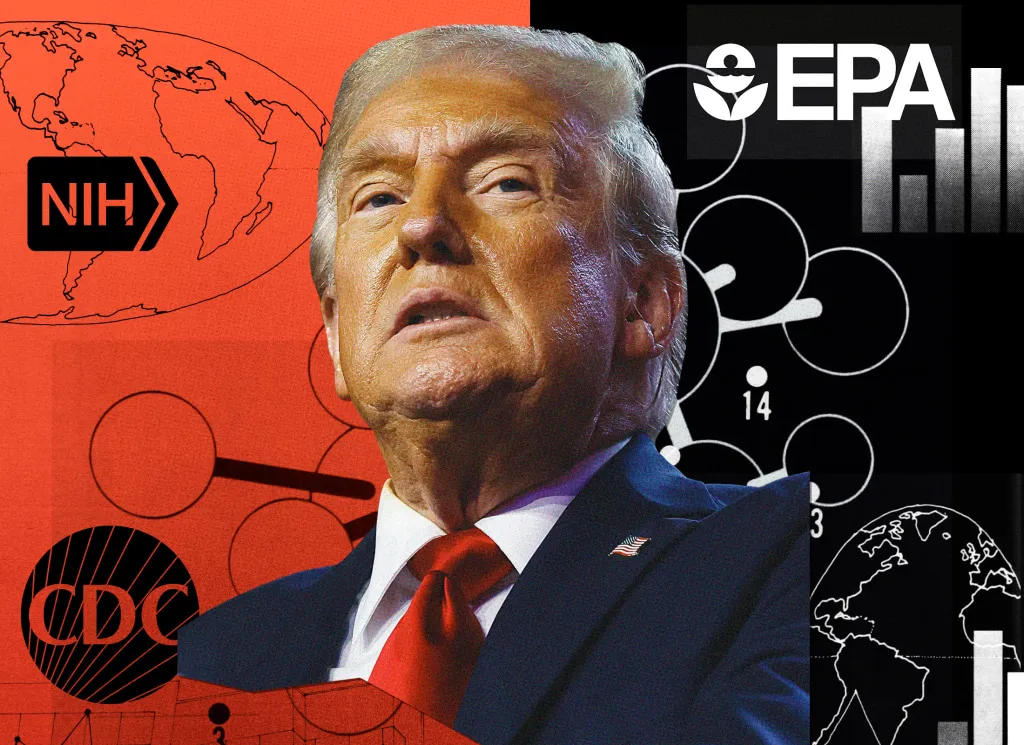
Federal funding is critical for medical research, and recent cuts initiated by the Trump administration significantly threaten this infrastructure. The NIH has announced a policy limiting indirect funding for laboratories receiving federal research grants to 15%, setting off alarms among scientists across various fields.
Challenges Ahead for Researchers
Many researchers, including notable figures like Rick Huganir from Johns Hopkins University, are worried that these funding limitations will derail decades of progress. Huganir, who discovered the SYNGAP1 gene, emphasized the urgency of continued research during childhood, stating, “Any delay... is devastating to the parents.”
Broader Implications on the Scientific Community
- Overhead costs will significantly rise for universities, burdening their ability to conduct independent research.
- Future clinical trials may be jeopardized, pushing back the timeline for life-saving therapies.
- The ongoing pandemic recovery efforts could experience setbacks resulting from limited resources.
Across the country, scientists, doctors, and university leaders are uniting in opposition to the cuts, raising concerns over their long-term consequences on public health and innovation.
This article was prepared using information from open sources in accordance with the principles of Ethical Policy. The editorial team is not responsible for absolute accuracy, as it relies on data from the sources referenced.