Exploring the Impact of Trump's Cuts on NIH Research Funding for Medical Institutions
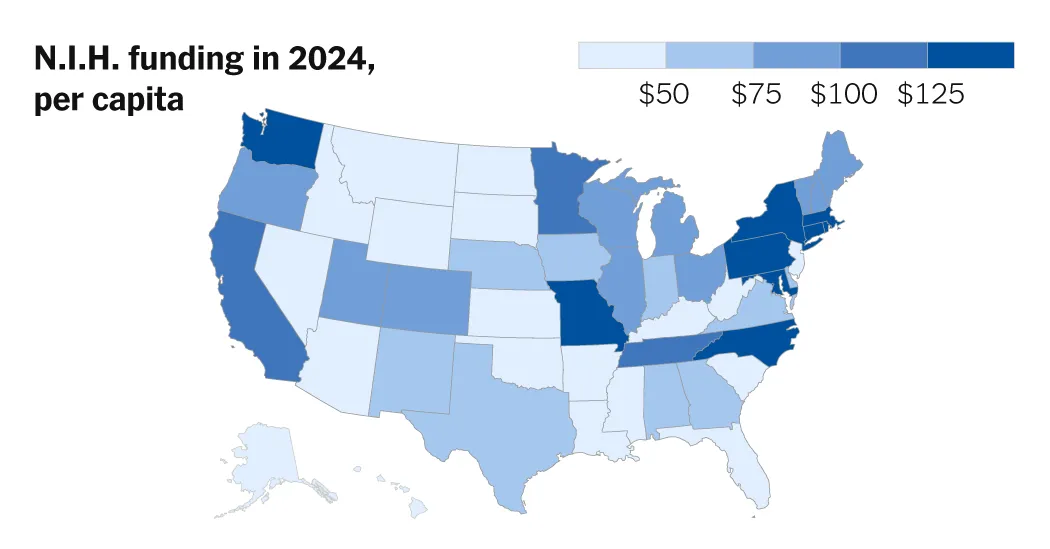
Overview of Trump's Cuts to NIH Funding
The recent changes proposed by Trump to the National Institutes of Health (NIH) funding formula are set to have a profound effect on research at colleges and hospitals across the United States. These cuts may result in billions in reduced funding for critical research efforts, hindering advancements in medicine and public health.
Consequences for Medical Research
With increased financial strain on institutions engaged in health and medical research, experts warn of a potential decline in progress against diseases. Colleges and hospitals, which rely heavily on federal aid, may struggle to support ongoing studies or attract new talents into the medical field.
Broader Implications for U.S. States
The geographical impact of these funding cuts resonates deeply, as U.S. states face varied challenges based on their existing research frameworks and healthcare infrastructures. Particularly, institutions in areas heavily dependent on NIH funding could see marked declines in their research programs and resources.
- Increased Risk of Illness: Redirected funds threaten disease research
- Potential Talent Outflow: Researchers may seek opportunities abroad
- Long-term Health Implications: Slowed progress could lead to worsening public health outcomes
Final Thoughts
Amid rising concerns about health challenges in America, the decisions made at the political level have tangible impacts on medical research viability. Monitoring these changes is crucial for future healthcare advancements.
This article was prepared using information from open sources in accordance with the principles of Ethical Policy. The editorial team is not responsible for absolute accuracy, as it relies on data from the sources referenced.