Impact of Climate Change on Polar Research Amid N.S.F. Layoffs
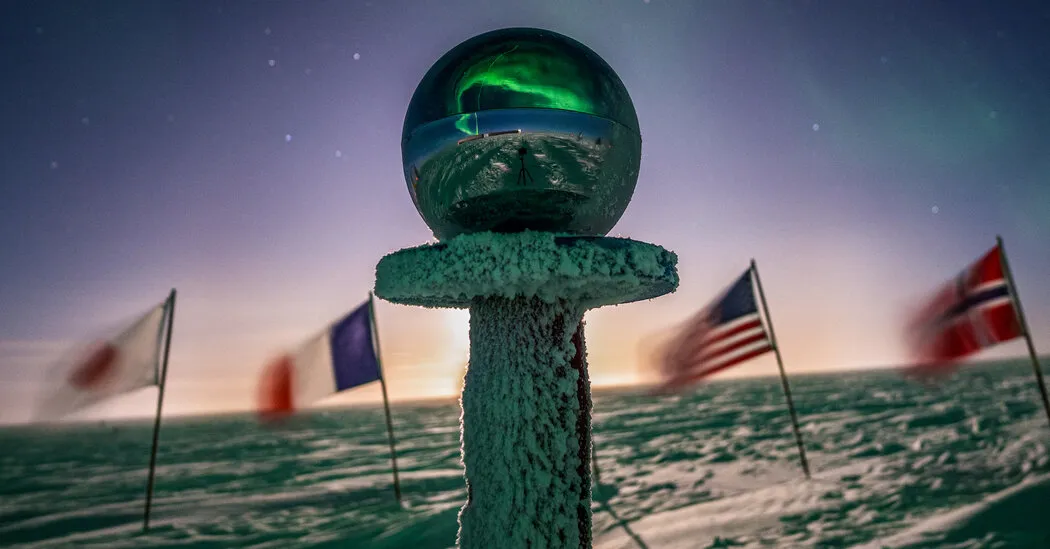
Climate Change and Its Consequences
Climate change, along with its counterpart global warming, continues to escalate, profoundly affecting our polar environments. The recent action by the N.S.F., which resulted in layoffs, raises significant concerns over the future of research and the U.S. commitment to studying the Antarctic and Arctic regions.
Importance of Polar Research
Polar regions are pivotal in understanding our climate systems. These areas not only serve as indicators of climate change but also hold essential data that can aid in forecasting global conditions. The layoffs associated with these critical research projects pose questions about the sustainability of scientific efforts in light of U.S. politics.
Concerns from the Scientific Community
- Scientific integrity may be compromised without adequate funding and human resources.
- The future of vital studies regarding global warming effects could be jeopardized.
- Falling behind in crucial research in polar regions affects global how we address climate issues.
Call for Action
The recent cuts underscore the urgent necessity for a collective effort to bolster funding and support within the civil service to revive and enhance the research framework surrounding climate change. A proactive approach is essential to ensure the U.S. maintains its influential role in global scientific endeavors.
This article was prepared using information from open sources in accordance with the principles of Ethical Policy. The editorial team is not responsible for absolute accuracy, as it relies on data from the sources referenced.