Impact of USAID Cuts on Disease Outbreaks and Starvation Deaths
Overview of USAID Funding Cuts
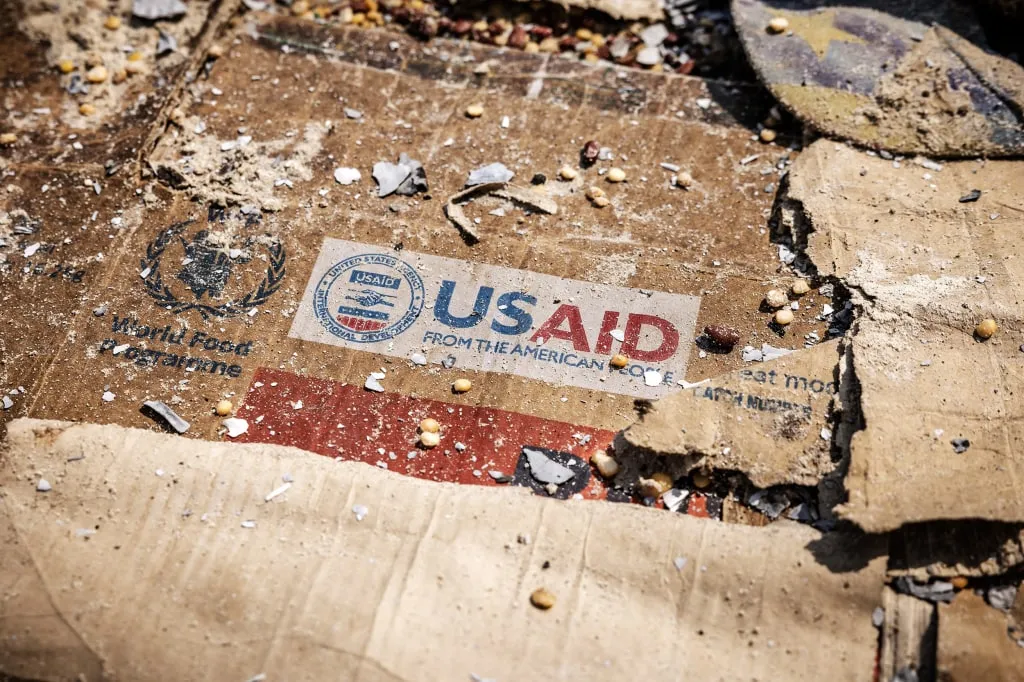
The recent decision to freeze international aid by the U.S. government has triggered widespread apprehension among humanitarian officials. According to reports, the U.S. has disbursed approximately $72 billion in foreign aid, with the U.S. Agency for International Development (USAID) managing around $44 billion. Following a freeze instated by the Trump administration, countless programs aimed at addressing disease outbreaks, such as those for HIV and Ebola, have faced severe interruptions.
Consequences for Global Health
The cessation of funding threatens the efficient operation of programs like the President’s Emergency Plan for AIDS Relief, known as PEPFAR, which has been pivotal in saving over 25 million lives since 2003. With many health programs around the world reliant on USAID's support, the disruption of aid could invite new health crises, amplifying the threat of pandemics.
Impact on Agriculture and Security
In addition to healthcare implications, USAID cuts also jeopardize agricultural support and environmental initiatives vital for food security. Local farmers and aid programs, especially in sub-Saharan Africa, are facing immediate financial strain. The recent reductions to aid were criticized for potentially compromising not only the wellbeing of vulnerable populations overseas but also U.S. national security.
Need for Reinstated Aid
Experts emphasize the urgent need for reinstating and maintaining aid programs that cater to health, nutrition, and security. The changes brought forth by USAID funding cuts could lead to dire consequences, including increased mortality rates due to starvation and unchecked disease outbreaks across the globe.
This article was prepared using information from open sources in accordance with the principles of Ethical Policy. The editorial team is not responsible for absolute accuracy, as it relies on data from the sources referenced.