Import Tariffs and Their Significant Effect on Automakers: Ford and General Motors in Focus
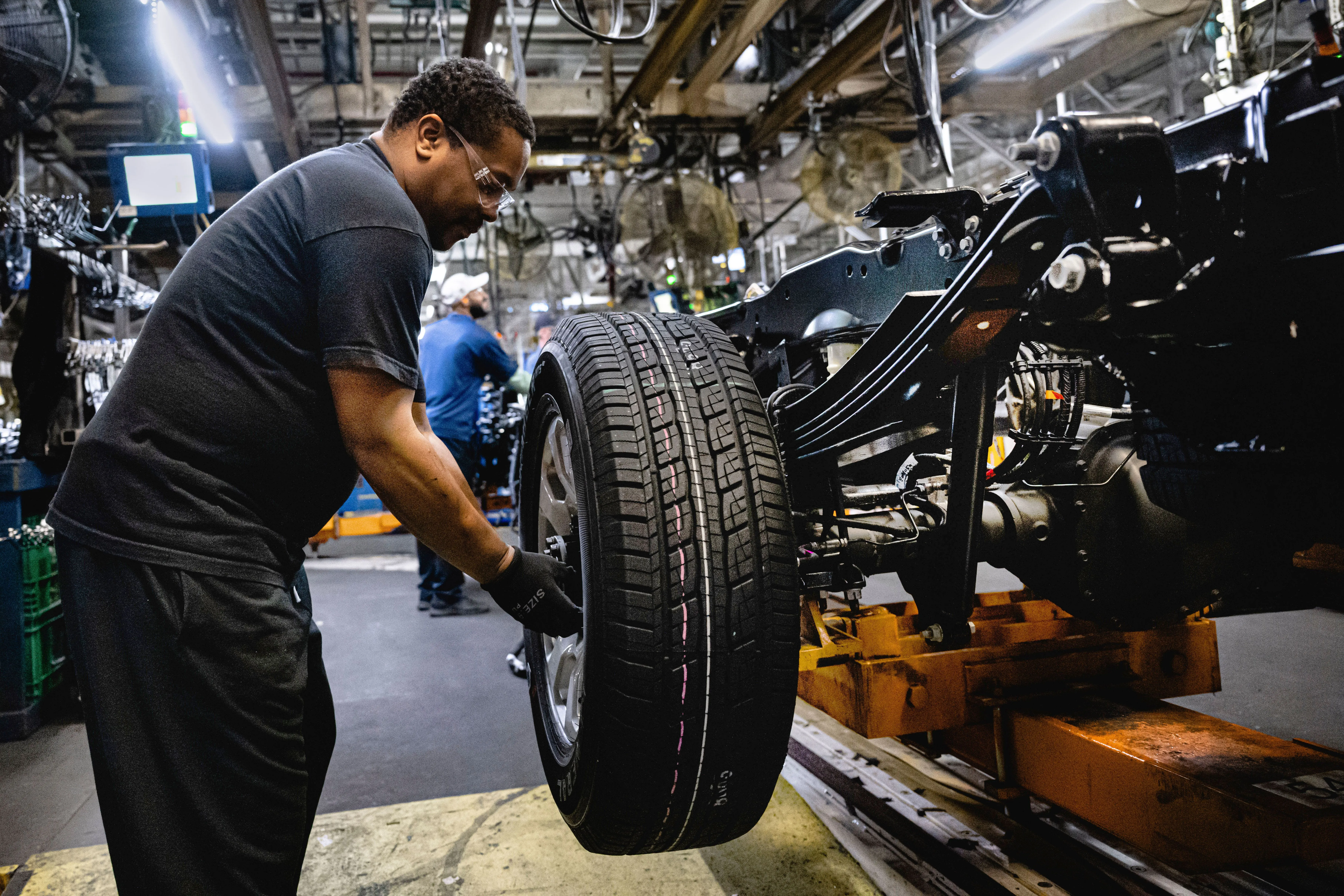
The Impact of Import Tariffs on the Automotive Industry
Import tariffs, particularly under the Trump administration, have begun to alter the landscape for the automotive industry. The Detroit Three automakers, namely Ford Motor, General Motors, and Stellantis, are increasingly finding themselves at a crossroads. With long product cycles that require significant foresight and investment, these companies are grappling with complexities introduced by shifting trade policies.
The Role of Political Parties in Shaping Automotive Policies
- Republican Party and its focus on protectionist measures
- Democratic Party advocating for balanced trade approaches
- William Clay Ford Jr. voicing concerns regarding sustainable growth
Challenges Faced by Automakers Under Current Policies
The automotive industry has heavily invested billions of dollars into product development. However, with import tariffs leading to increased overall costs, there’s a palpable tension among automakers about the sustainability of their strategies. The changes imposed by the Trump administration could lead to significant chaos within the market, potentially affecting all stakeholders involved.
- Potential layoffs and economic contraction
- Shifts in consumer pricing for vehicles
- Long-term viability of companies at stake
In summary, the clash between the auto industry’s product cycles and the abrupt changes in trade and commerce can create an unstable environment that may jeopardize the future of automotive giants like Ford and General Motors.
This article was prepared using information from open sources in accordance with the principles of Ethical Policy. The editorial team is not responsible for absolute accuracy, as it relies on data from the sources referenced.