Medicine Research: Impact of Automated Insulin Delivery on Type 2 Diabetes Control
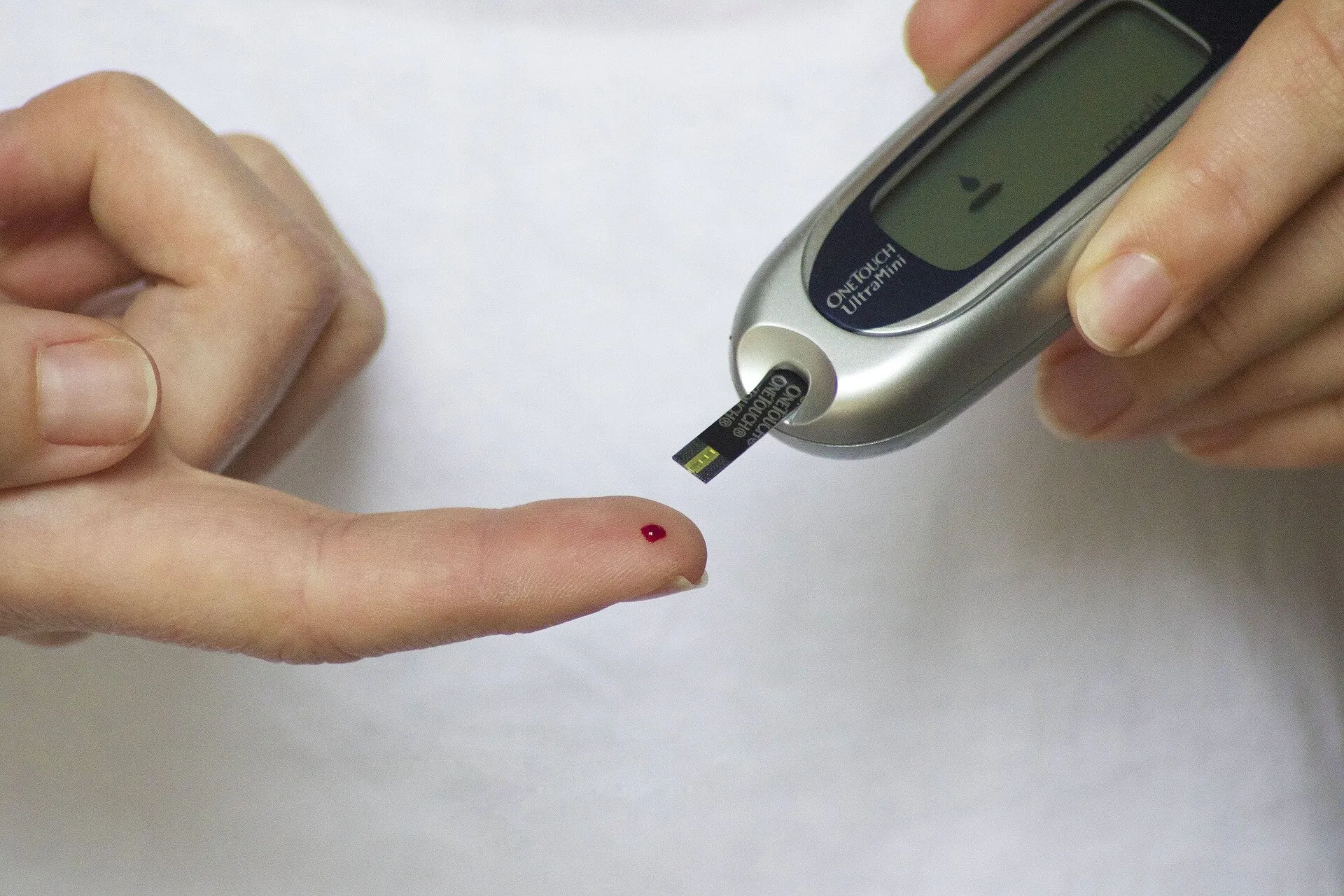
Innovative Health Research on Automated Insulin Delivery
The Jaeb Center for Health Research conducted a randomized controlled trial that evaluated the impact of automated insulin delivery (AID) systems in adults with insulin-treated type 2 diabetes. This study aimed to explore whether AID could effectively enhance glycemic control, which is critical for diabetes management.
Key Findings from the Trial
- AID leads to significant reductions in blood glucose levels.
- Participants reported fewer hypoglycemic episodes.
- The system demonstrated ease of use, encouraging adherence.
As health science continues to advance, understanding the role of AID could revolutionize treatment approaches for patients managing type 2 diabetes.
Broader Implications for Medicine Science
This breakthrough in medicine research holds promising implications for future health research news. With increasing accessibility of automated systems, we may witness a shift in standard practices in diabetes care, promising better health outcomes.
This article was prepared using information from open sources in accordance with the principles of Ethical Policy. The editorial team is not responsible for absolute accuracy, as it relies on data from the sources referenced.