Medicine Research: Understanding Environmental Influences on Neurodevelopmental Disorders
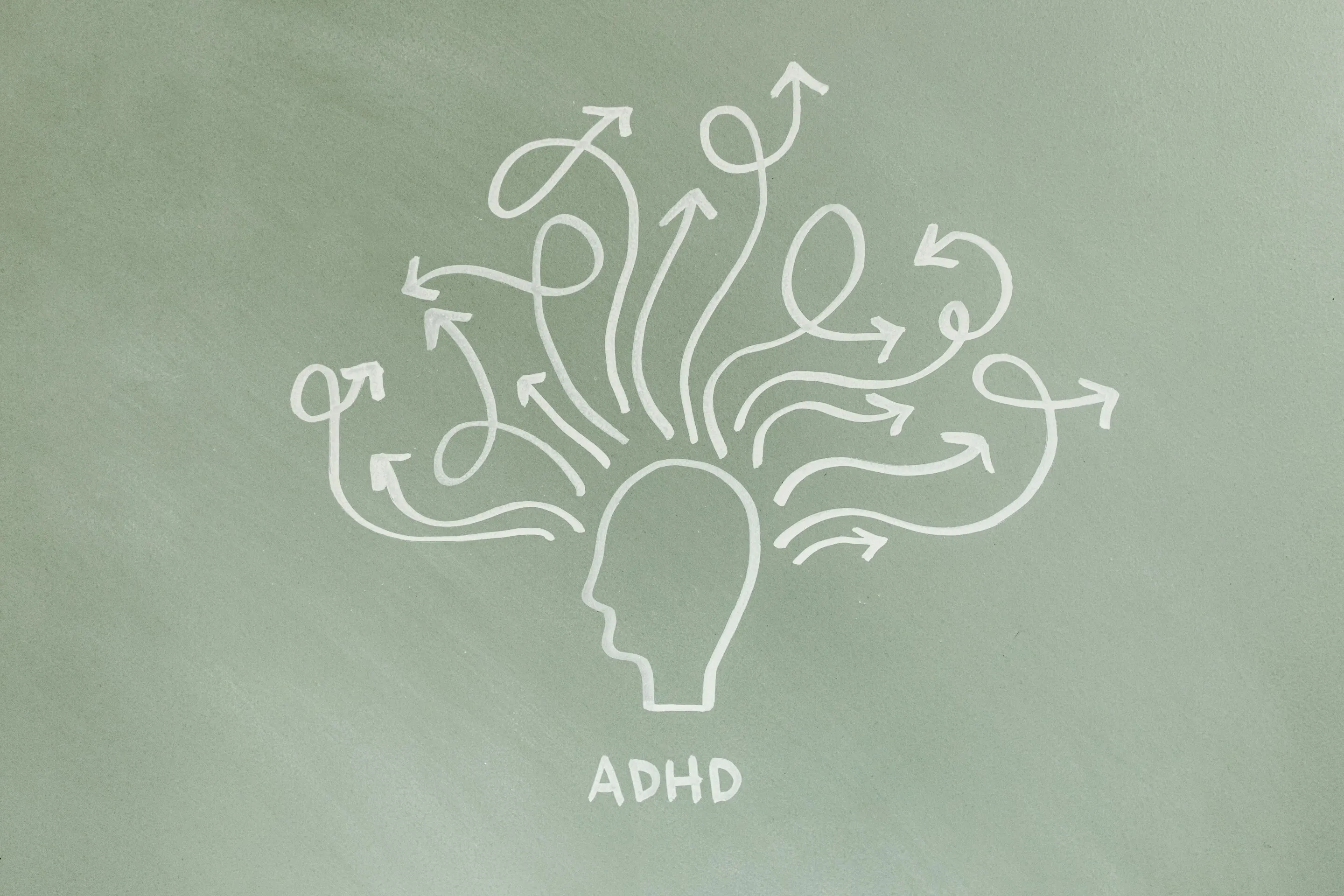
Exploring Environmental Influences in Medicine Research
The debate on nature versus nurture has never ceased, particularly in discussions about neurodevelopmental conditions (NDCs) such as autism and attention-deficit hyperactivity disorder (ADHD). These disorders prompt an important investigation into how environmental factors can significantly influence individual development.
Key Environmental Factors in Neurodevelopment
- Exposure to toxins during pregnancy
- Nutrition and maternal health
- Socioeconomic status and living conditions
In recent studies, scientists have identified various aspects that contribute to the development of these disorders. For instance, maternal stress and the presence of pollutants can have profound effects on brain development, influencing behavioral outcomes.
The Role of Health Research in Understanding NDCs
- Understanding the genetic predisposition
- Identifying environmental triggers
- Developing preventive measures
Continued health research and collaboration between fields will shed light on the complex interplay between genetics and environment. By comprehensively understanding these factors, we can better address and potentially reduce the prevalence of neurodevelopmental disorders.
This article was prepared using information from open sources in accordance with the principles of Ethical Policy. The editorial team is not responsible for absolute accuracy, as it relies on data from the sources referenced.