Health Policy Changes Impacting Federal Workers in US Health Agencies
Understanding the Impact of Health Policy on Federal Workforce
Health policy changes are currently reshaping the landscape of federal health agencies in the United States. With the Department of Health and Human Services (HHS) announcing significant workforce reductions, including at prominent organizations like the Centers for Disease Control and Prevention (CDC) and the Food and Drug Administration (FDA), many are concerned about the implications for public health.
Job Cuts at HHS and its Consequences
The recent directive from HHS aims to trim the workforce by 20,000 positions, leading to drastic changes within various health programs. This reduction is particularly alarming in sectors focused on preventing diseases such as HIV and other health threats. Dr. Jade Pagkas-Bather, an infectious disease specialist, expressed grave concerns, stating, “We’re going to have patients die, unnecessary, preventable death.”
- Top officials at the CDC have also been affected, with some placed on administrative leave or laid off altogether.
- The restructuring has raised questions about the sustainability of critical public health initiatives.
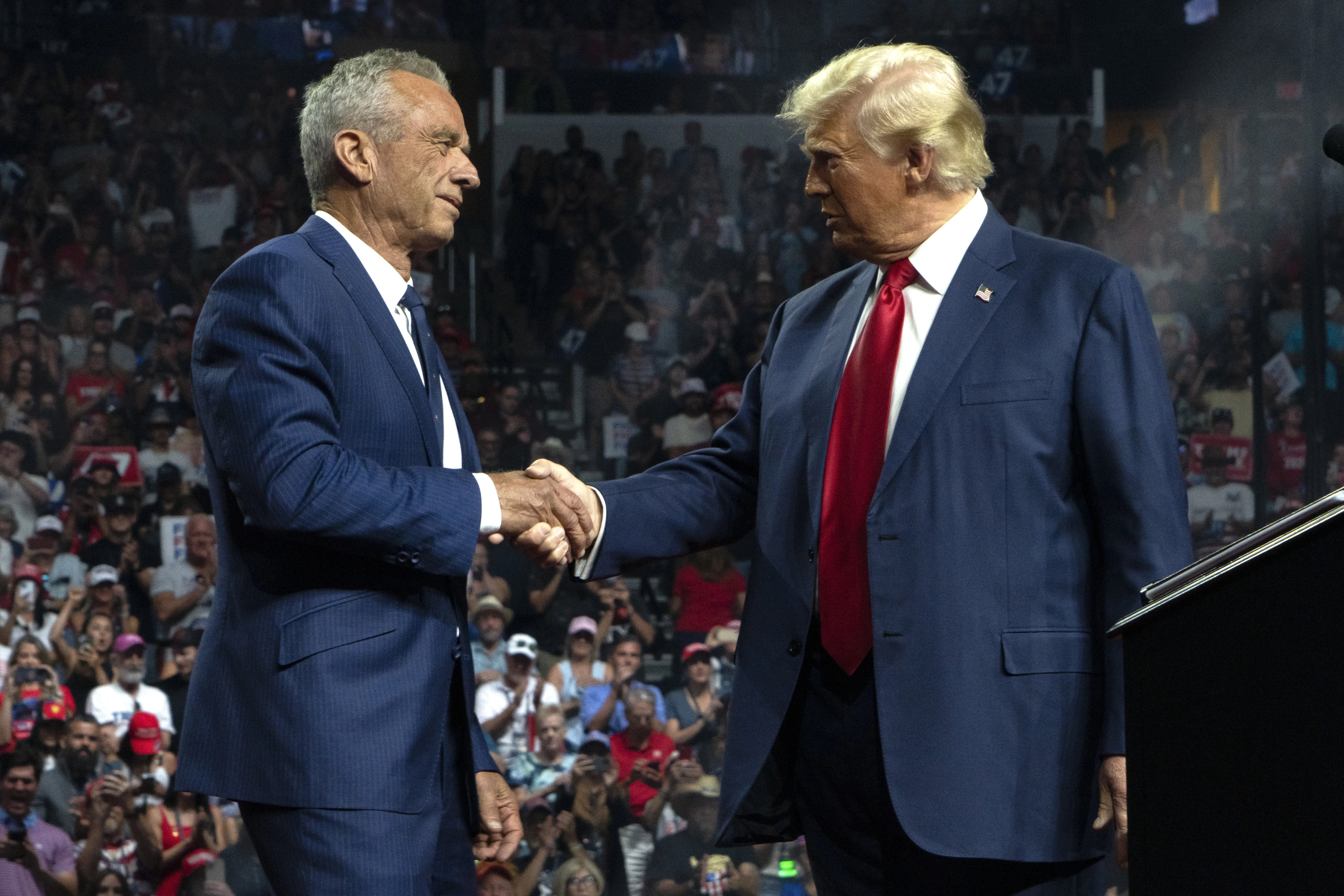
HHS justifies these cuts with projected annual savings of $1.8 billion. Secretary Robert F. Kennedy, Jr. claims that bureaucracies become wasteful, even among dedicated staff. However, critics argue that the real-life implications of job losses may threaten public health safety.
Changes at the FDA and Regulatory Concerns
The FDA’s Center for Biologics Evaluation and Research (CBER), responsible for vaccine regulation, is also undergoing significant leadership changes with the resignation of its director. Robert Califf, former FDA commissioner, stated that the agency as previously understood is now irrevocably altered. Concerns about transparency and misinformation within HHS add to the unease surrounding these administrative shifts.
Current HHS officials insist that essential public health efforts will remain unaffected despite the realignment. However, the disruption caused by these policies raises valid questions about the future of health programs crucial for disease prevention and public safety.
This article was prepared using information from open sources in accordance with the principles of Ethical Policy. The editorial team is not responsible for absolute accuracy, as it relies on data from the sources referenced.