Tariffs Under Trump Administration: Analyzing Economic Claims and Skepticism
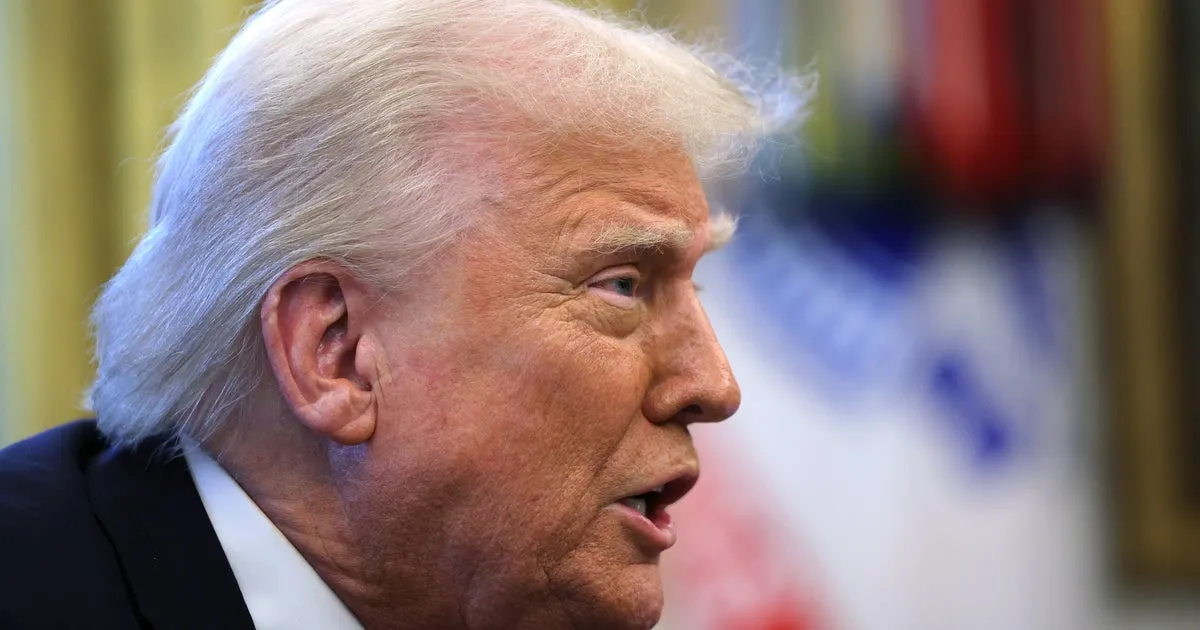
Tariffs Under Trump Administration: Analyzing Economic Claims and Skepticism
Tariffs implemented by the Trump administration are argued to help raise significant government revenue, with estimates reaching over $1 trillion within a year. While President Trump supports these measures, numerous economists express skepticism toward the viability of such revenue generation.
Economic Implications of Tariffs
- Increased Costs for Consumers: Tariffs are typically levied as a percentage of prices paid by importers, which means that U.S. companies will pass these costs onto consumers.
- Potential for Reduced Spending: As tariffs raise prices on foreign goods, consumers may cut back on spending, potentially leading to a contraction in the market.
- Doubt on Revenue Predictions: Economists warn that the estimated revenue may be overly optimistic, as actual results may differ significantly.
Conclusion: The Balancing Act of Tariffs
While tariffs may appear as a solution for enhancing federal revenue, the broader implications on the economy warrant critical consideration. The skepticism from economists underscores the necessity for a thorough examination of potential outcomes.
This article was prepared using information from open sources in accordance with the principles of Ethical Policy. The editorial team is not responsible for absolute accuracy, as it relies on data from the sources referenced.