Innovative Cancer Detection: Craif Secures $22 Million for Early Detection Solutions
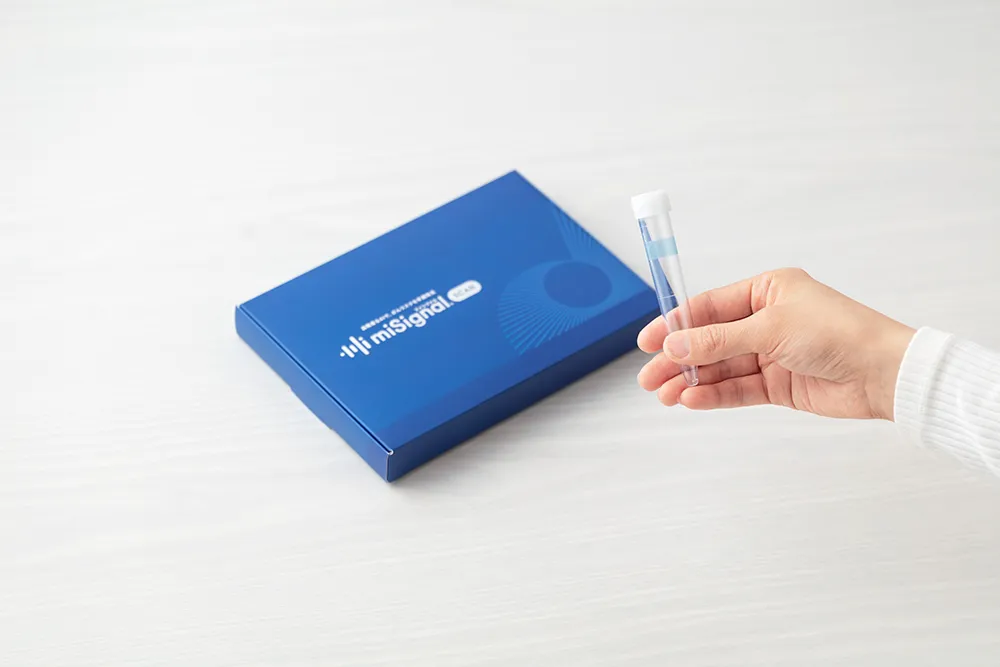
Cancer Detection Innovations and Funding
Cancer detection innovations are essential in the fight against one of the most significant health challenges today. Startup Craif has successfully secured $22 million in funding to develop early detection technologies aimed at identifying cancer at its most treatable stages. This funding is a crucial milestone in advancing cancer research and diagnostics.
The Importance of Early Detection
Early detection of cancer significantly improves prognosis and treatment options. With nearly 20 million new cancer cases reported annually worldwide, innovative solutions like those proposed by Craif are urgently needed. By leveraging cutting-edge technology and extensive research, Craif aims to change how cancer is diagnosed and treated.
Future Directions for Cancer Detection
- Innovative Technology: Craif focuses on creating accessible and efficient detection methods.
- Clinical Trials: Future clinical trials will assess the effectiveness of their technologies.
- Collaboration: Collaborating with healthcare institutions to implement solutions.
For more details on Craif’s impact in the realm of cancer detection, we encourage you to explore the full article.
This article was prepared using information from open sources in accordance with the principles of Ethical Policy. The editorial team is not responsible for absolute accuracy, as it relies on data from the sources referenced.