The Importance of Community Engagement in Cancer Research and Policy with Dr. Kimlin Tam Ashing
Understanding Community Engagement in Cancer Research
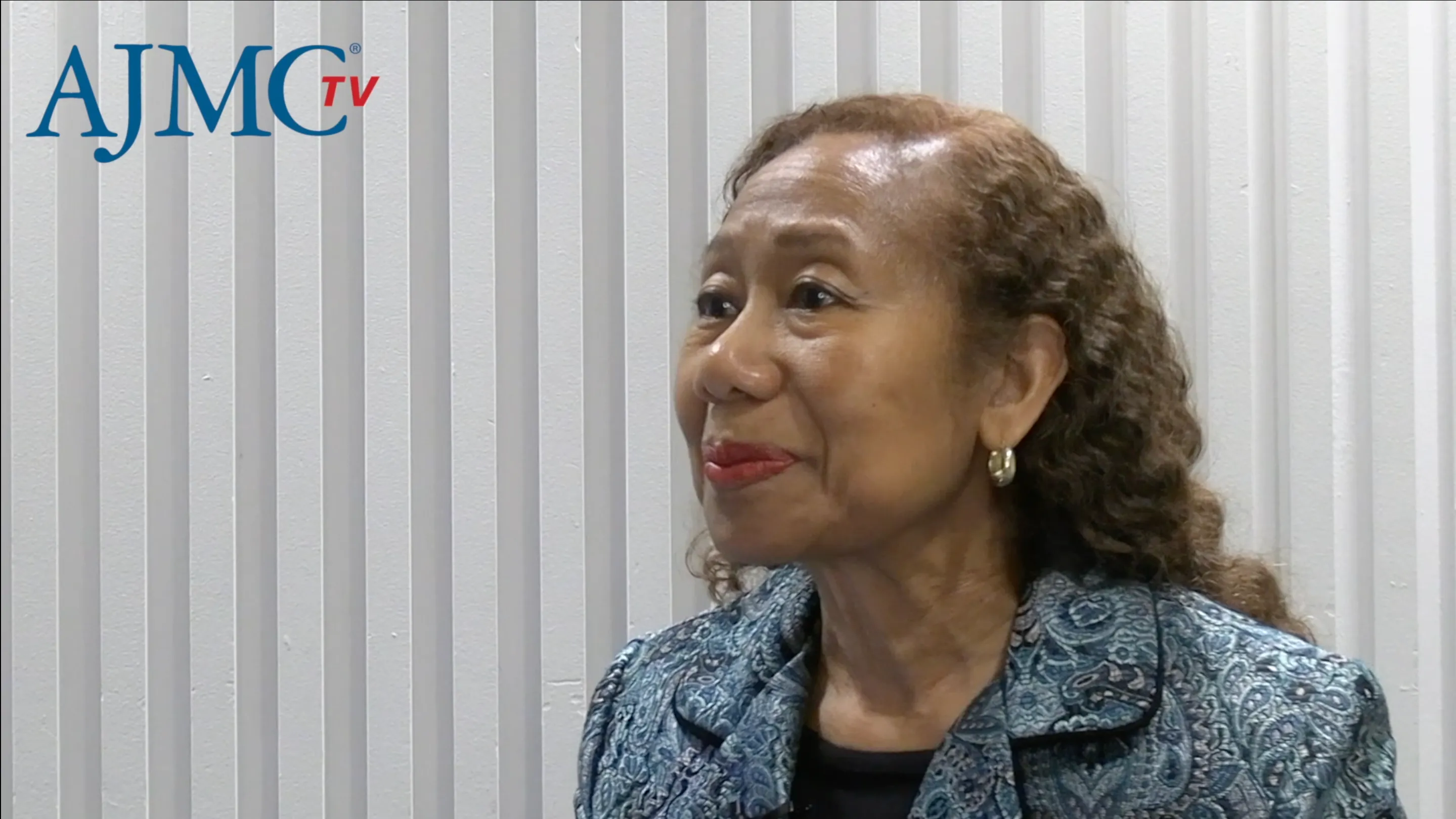
Dr. Kimlin Tam Ashing, a noted leader in community collaboration, emphasizes the necessity of connecting with communities to foster trust and knowledge exchange. By reaching out through health fairs and local organizations, research teams can better understand and address community needs.
Strategies for Effective Collaboration
- Build trusting relationships with community members.
- Use data to inform and integrate community needs into cancer policy.
- Offer researchers' expertise to support local health initiatives.
Communities often provide valuable insights and resources that enhance research endeavors.
Future Directions in Community Engagement
Dr. Ashing envisions an energetic futuristic landscape where community capacity continues to grow in both scientific understanding and the ability to influence cancer policy. The ongoing training of community advocates is crucial for bridging the gap between research findings and actionable health policies.
Addressing Healthcare Disparities
- Highlight disparities in cancer care outcomes due to healthcare funding issues.
- Advocate for policy changes like the Cancer Care Equity Act.
Such policies are essential for ensuring equitable access to specialized cancer care for underserved populations. This multi-faceted approach ultimately enhances patient outcomes significantly.
This article was prepared using information from open sources in accordance with the principles of Ethical Policy. The editorial team is not responsible for absolute accuracy, as it relies on data from the sources referenced.