Understanding the Chikungunya Outbreak and its Global Health Risks
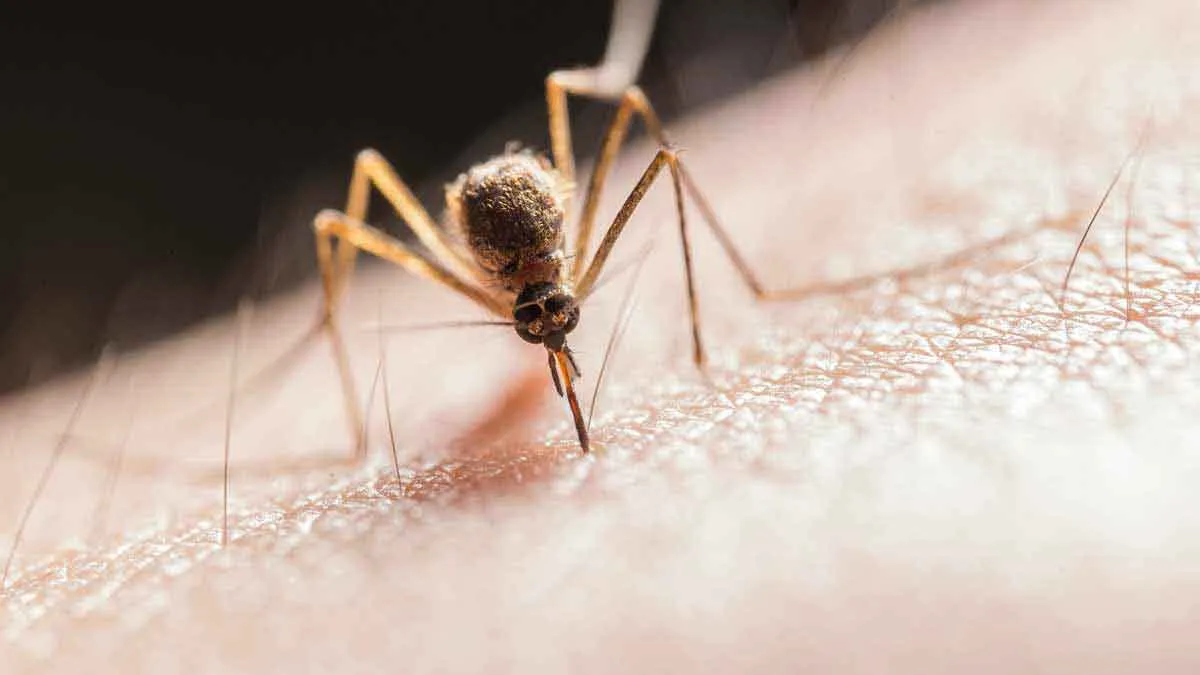
Chikungunya Outbreak: Current Insights
The World Health Organisation has raised alarms over a potential chikungunya outbreak, which resurfaces two decades post its last widespread incidence, putting approximately 5.6 billion individuals across 119 nations at risk.
Why is Chikungunya Re-emerging?
- Climate Change: Altering Aedes mosquitoes' breeding patterns.
- Urbanization: Crowded living conditions and poor sanitation enable mosquito proliferation.
- Global Travel: Increased international mobility facilitating virus spread.
Symptoms and Complications
Chikungunya symptoms often start suddenly with high fever and intense joint pain, especially in wrists and ankles. While fever resolves quickly, the accompanying pain may linger for weeks or months, presenting as chronic arthritis. Serious complications include heart inflammation and neurological effects.
Preventive Measures
- Eliminate stagnant water around living spaces.
- Utilize mosquito repellents and protective clothing.
- Engage in community-level mosquito control measures.
Despite the absence of a licensed vaccine, ongoing clinical trials suggest promising solutions for the future.
This article was prepared using information from open sources in accordance with the principles of Ethical Policy. The editorial team is not responsible for absolute accuracy, as it relies on data from the sources referenced.