University of Massachusetts Amherst Researcher Wang Leyao Transitions to Shenzhen Medical Academy
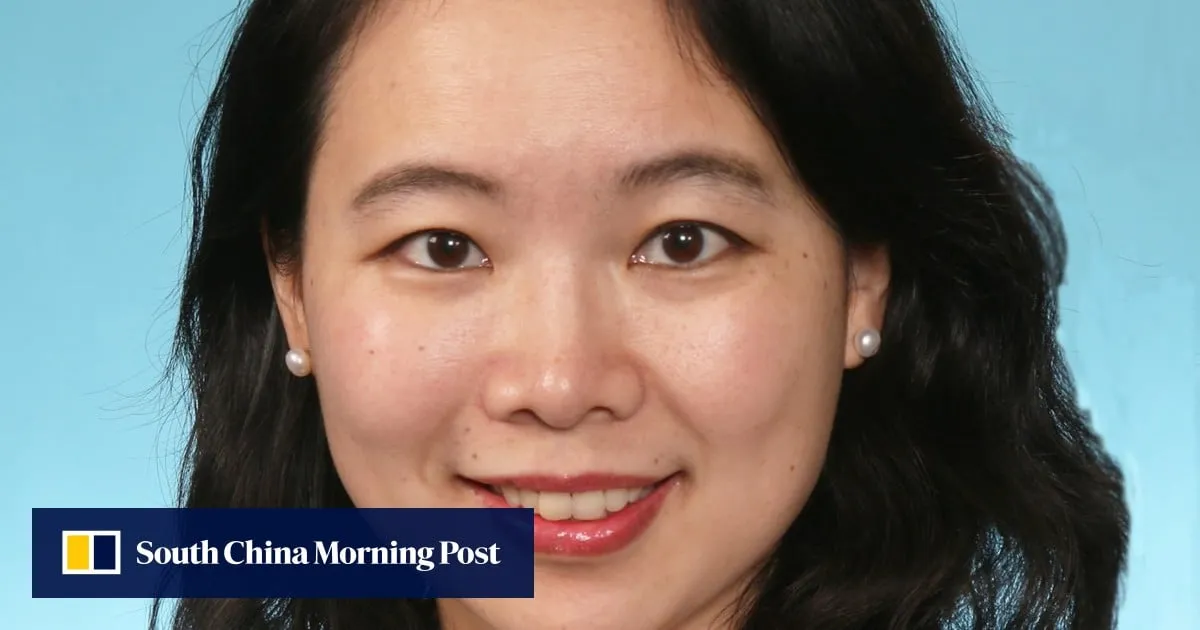
University of Massachusetts Amherst Researcher Moves to China
University of Massachusetts Amherst researcher Wang Leyao has made a significant transition to the Shenzhen Medical Academy of Research and Translation (Smart) amid drastic funding cuts initiated by the U.S. government. This move underscores a growing trend where senior researchers are opting to leave U.S. institutions due to instability created by health policy changes.
Impact of Funding Cuts on Medical Research
- Wang, a prominent epidemiologist, has been dedicated to the study of the human microbiome.
- She joined Smart as a senior research fellow, focusing on human immunology.
- The cuts in funding have led thousands of researchers to face dire circumstances in their work, particularly in fields like COVID-19 and health equity research.
Research Focus at Smart
At Smart, Wang intends to continue her pioneering research on the human microbiome, emphasizing its role in health and disease, especially under the influences of climate change.
Educational Background
- Bachelor's degree in biotechnology from Nankai University (2003).
- Doctorate in molecular virology and immunology from Fudan University (2008).
- Master's in epidemiology from Johns Hopkins University's Bloomberg School of Public Health (2011).
- Service as a postdoctoral fellow at Yale School of Public Health (2013-2017).
As the landscape of medical research shifts, Wang's expertise will be vital in addressing how environmental changes influence the microbiome and associated health risks, particularly in vulnerable populations.
This article was prepared using information from open sources in accordance with the principles of Ethical Policy. The editorial team is not responsible for absolute accuracy, as it relies on data from the sources referenced.