Radioactive Ion Beams: How They Transform Cancer Treatment and Imaging
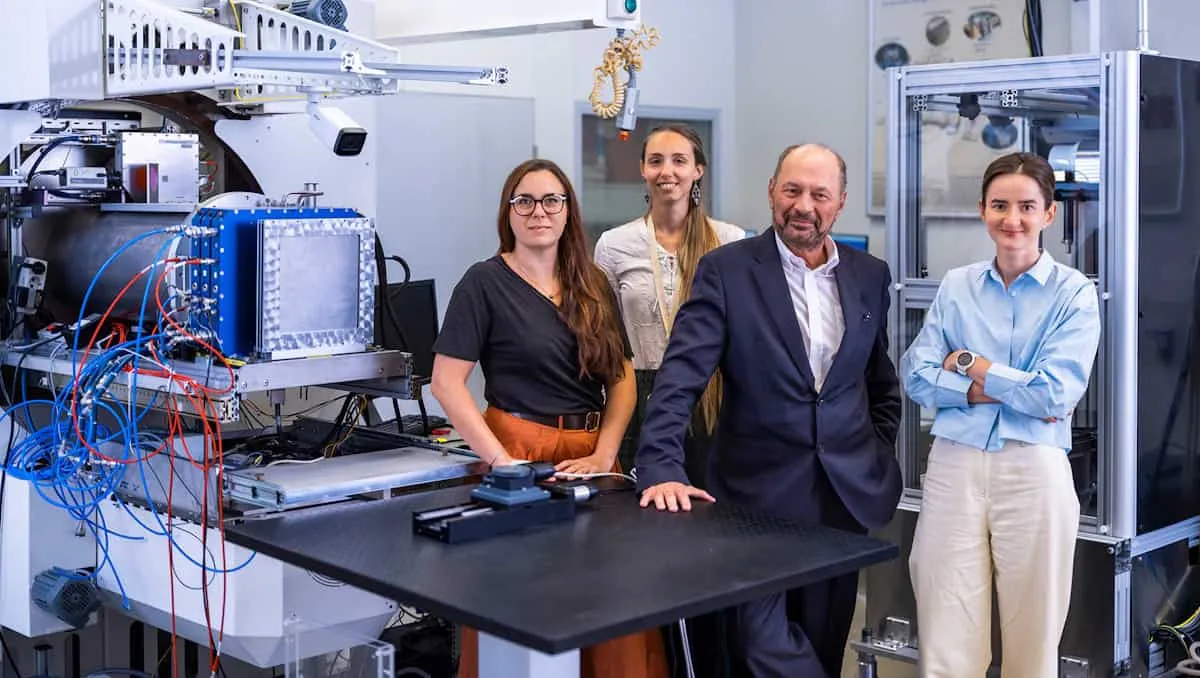
Radioactive Ion Beams in Cancer Treatment
Radioactive ion beams, particularly carbon ions, are making waves in the field of cancer therapy. In a pioneering study, researchers in Germany successfully utilized a radioactive carbon ion beam (11C) to treat a mouse with a bone tumor situated near the spine.
Dual Benefits: Treatment and Imaging
This innovative approach enables simultaneous treatment and real-time imaging, offering a dual advantage for oncologists. The integration of treatment and imaging ensures precise targeting of tumors while monitoring the patient's response effectively.
Future Implications
- Enhanced Treatment Accuracy: Improved targeting minimizes damage to surrounding healthy tissues.
- Real-Time Monitoring: Ongoing imaging allows for necessary treatment adjustments.
Overall, the advancement of radioactive ion beam technology marks a significant step forward in cancer therapy, providing promising prospects for enhanced patient outcomes in medical practice.
This article was prepared using information from open sources in accordance with the principles of Ethical Policy. The editorial team is not responsible for absolute accuracy, as it relies on data from the sources referenced.