Public-Private Collaboration is Key to Healthcare Innovation in India
Public-Private Partnerships Driving Healthcare Innovation
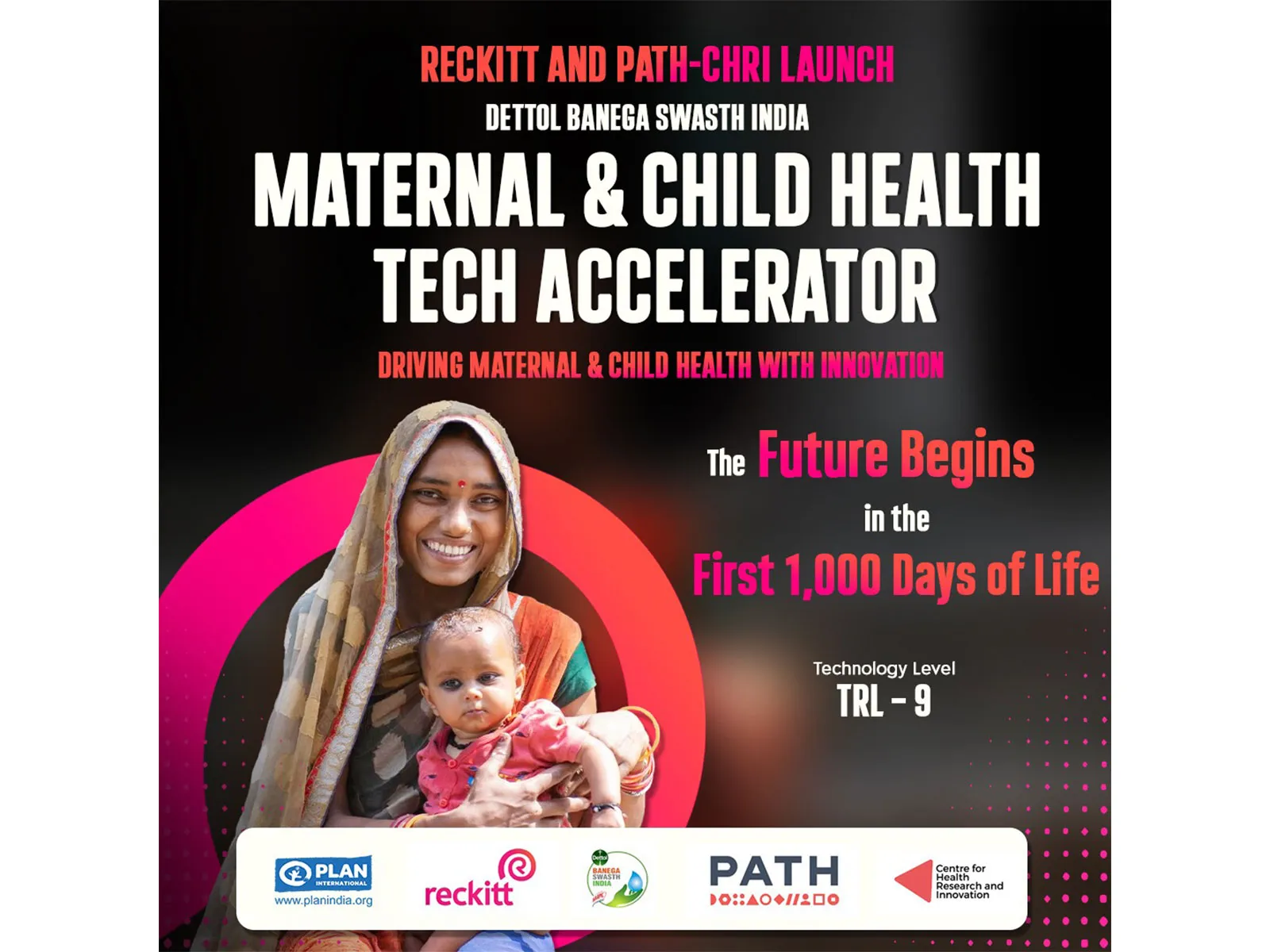
BusinessWire India brings news of a pivotal collaboration aimed at enhancing maternal and child health in India. Reckitt, a leader in consumer health and hygiene, has partnered with PATH and the Centre for Health Research and Innovation (CHRI) to initiate the Dettol Banega Swasth India - Maternal and Child Health Tech Accelerator.
This accelerator is a call to action for innovators to reshape healthcare for mothers and children, particularly in underserved regions. The focus is on early health and development interventions during the first 1,000 days of life, encouraging innovative solutions that empower caregivers, frontline health workers, and health systems.
Supporting India's Vision for Universal Health Coverage
- Reckitt and PATH-CHRI's combined efforts aim to uplift public health initiatives across 500 aspirational health blocks in India.
- This approach aligns with India's national vision of achieving Universal Health Coverage by 2047.
- Recent governmental programs have significantly reduced out-of-pocket health expenses by providing access to essential health services.
With the goal of reaching millions of families, innovations from this program will be on display during a pitch event on 15th and 16th September, where selected innovators will present their solutions to renowned health sector leaders.
The ultimate aim is to improve health outcomes during critical early stages of life and ensure every citizen has access to quality healthcare.
This article was prepared using information from open sources in accordance with the principles of Ethical Policy. The editorial team is not responsible for absolute accuracy, as it relies on data from the sources referenced.