Biotechnology and Drug Pricing: Trump's Agreement with Pfizer Explained
Biotechnology and Drug Pricing: An Overview
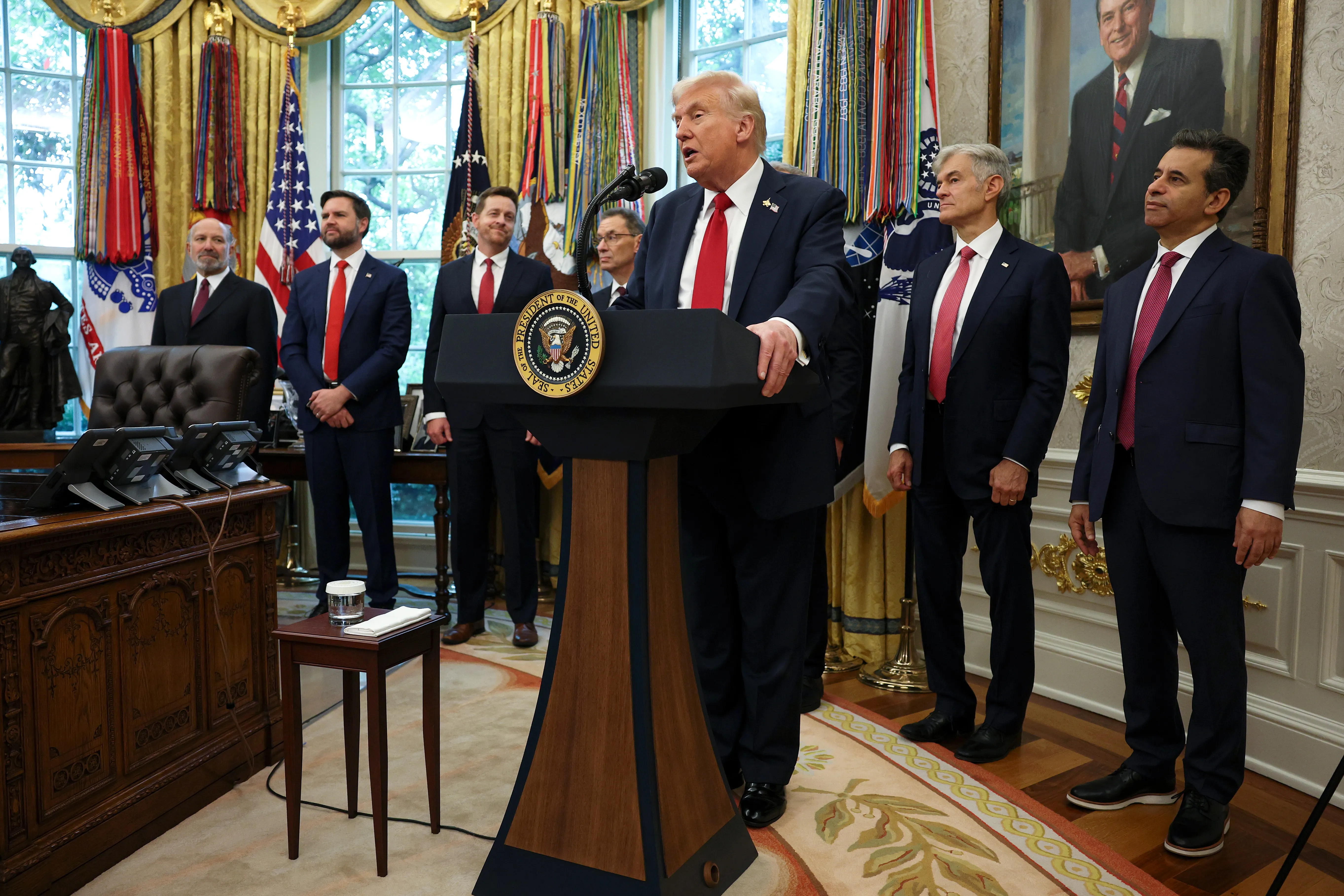
In an unprecedented move, President Trump has negotiated a deal with Pfizer that aims to address the pressing issue of drug pricing in the United States. This agreement will provide discounted prices on various pharmaceuticals while avoiding applicable U.S. tariffs.
The Policy Impact
The implications of this deal go beyond prescription drug prices; it represents a critical juncture for Medicaid and biotechnology firms amidst ongoing discussions about healthcare reform.
Key Objectives of the Deal
- Lower Prescription Costs: Make medications more accessible to patients.
- Medicaid Integration: Ensure that government programs can benefit from reduced prices.
- Biotechnology Advancement: Encourage innovation while maintaining cost-effectiveness.
This deal illustrates the ongoing struggles and strategies within the biotech and pharmaceutical sectors, as the administration seeks to ameliorate the financial burden of prescription drugs on American families.
The Future of Pharmaceuticals
As the White House continues to push for substantive reforms in drug pricing, the partnership with Pfizer may signify a new direction for both pharmaceutical policy and future negotiations with other biotech companies.
This article was prepared using information from open sources in accordance with the principles of Ethical Policy. The editorial team is not responsible for absolute accuracy, as it relies on data from the sources referenced.