Medicine Research News: The Impact of Extended Reality on Health Care Training
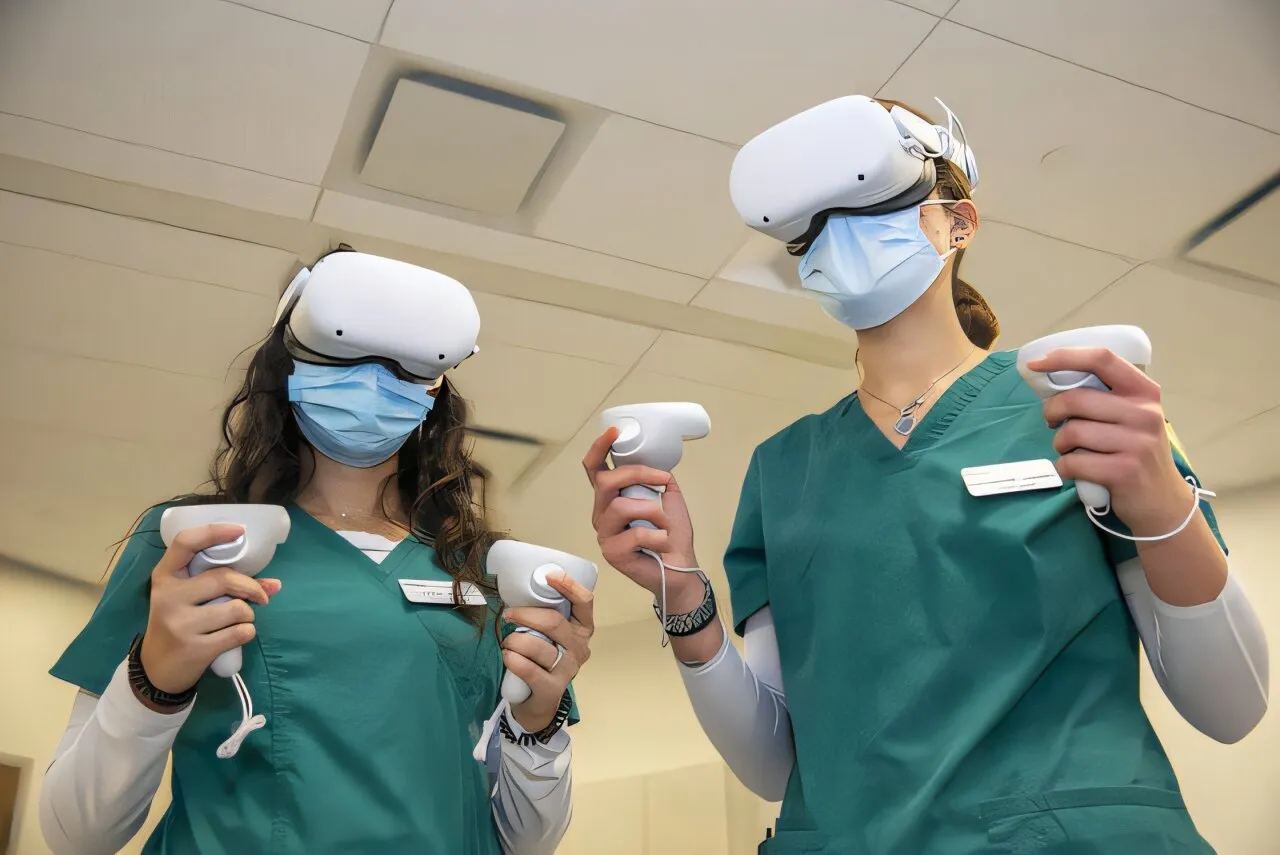
Medicine Research News: The Integration of Extended Reality in Health Care
Extended reality (XR), encompassing both virtual and augmented reality, represents a major shift in how health professionals are trained. The immersive nature of these technologies facilitates a deeper engagement with educational content, essential for mastering complex medical concepts.
Key Advantages of Extended Reality in Health Training
- Enhanced Learning Experiences: XR technologies provide simulation-based training that is both engaging and effective.
- Increased Retention Rates: Studies indicate that students using XR tools retain information more effectively compared to traditional learning methods.
- Accessibility of Training: XR can make training more accessible, allowing learners to practice in a safe virtual environment.
Future Implications for Health Research
This revolutionary approach to health science education underscores a pivotal moment in medicine research. As XR technologies become more ingrained in curriculums, we expect to see a significant uptick in the readiness of graduates entering the healthcare workforce. The importance of adapting training methods is crucial in meeting the demands of modern health care.
This article was prepared using information from open sources in accordance with the principles of Ethical Policy. The editorial team is not responsible for absolute accuracy, as it relies on data from the sources referenced.