Affordable Care Act Premiums Increase: Implications for Health Insurance Policy
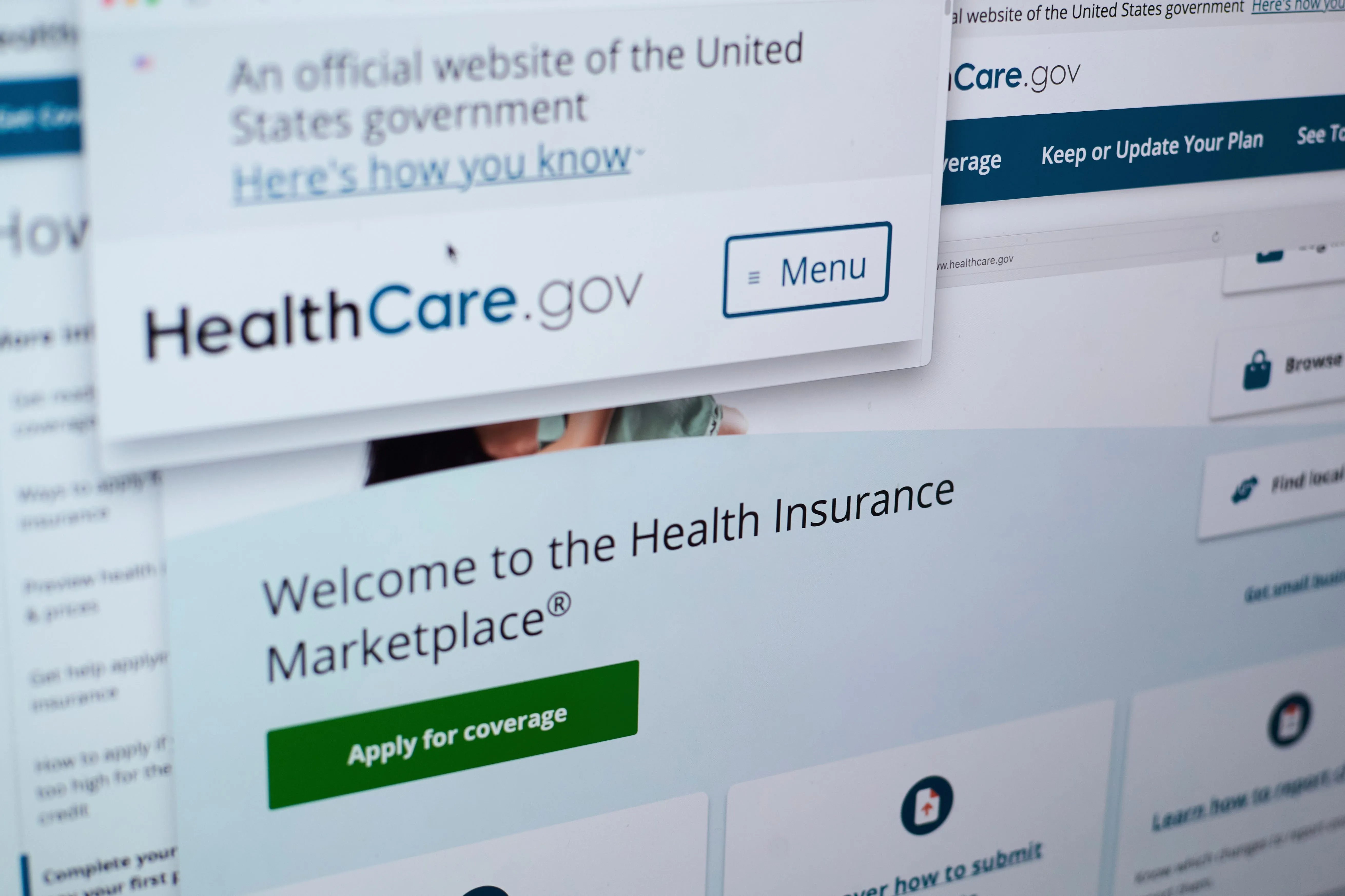
Affordable Care Act Premium Increase Overview
The Affordable Care Act (ACA) premiums are poised to surge by 30%, with potential repercussions for millions of Americans. This hike is largely attributed to the ongoing debates in the U.S. Congress, influenced by both the Republican Party and Democratic Party. With up to 17 million Americans impacted, it's essential to explore the broader context and implications for health insurance policy.
Factors Behind the Premium Increase
- Market Trends: The current landscape of health insurance costs is evolving, necessitating urgent attention.
- Political Climate: Ongoing negotiations between the Republican and Democratic parties spotlight contrasting health policies.
- Exclusion of Social Autopilot: Recent decisions to exclude certain social mechanisms are leading to an overall negative impact on coverage options.
Implications for Policy and Public Health
This increase in premiums under the Affordable Care Act signals a critical moment for health policy discussions in the U.S. Congress. Policymakers must act decisively to mitigate adverse effects on health insurance access for millions.
This article was prepared using information from open sources in accordance with the principles of Ethical Policy. The editorial team is not responsible for absolute accuracy, as it relies on data from the sources referenced.