The Dangers of Medical Consensus on First Amendment Rights
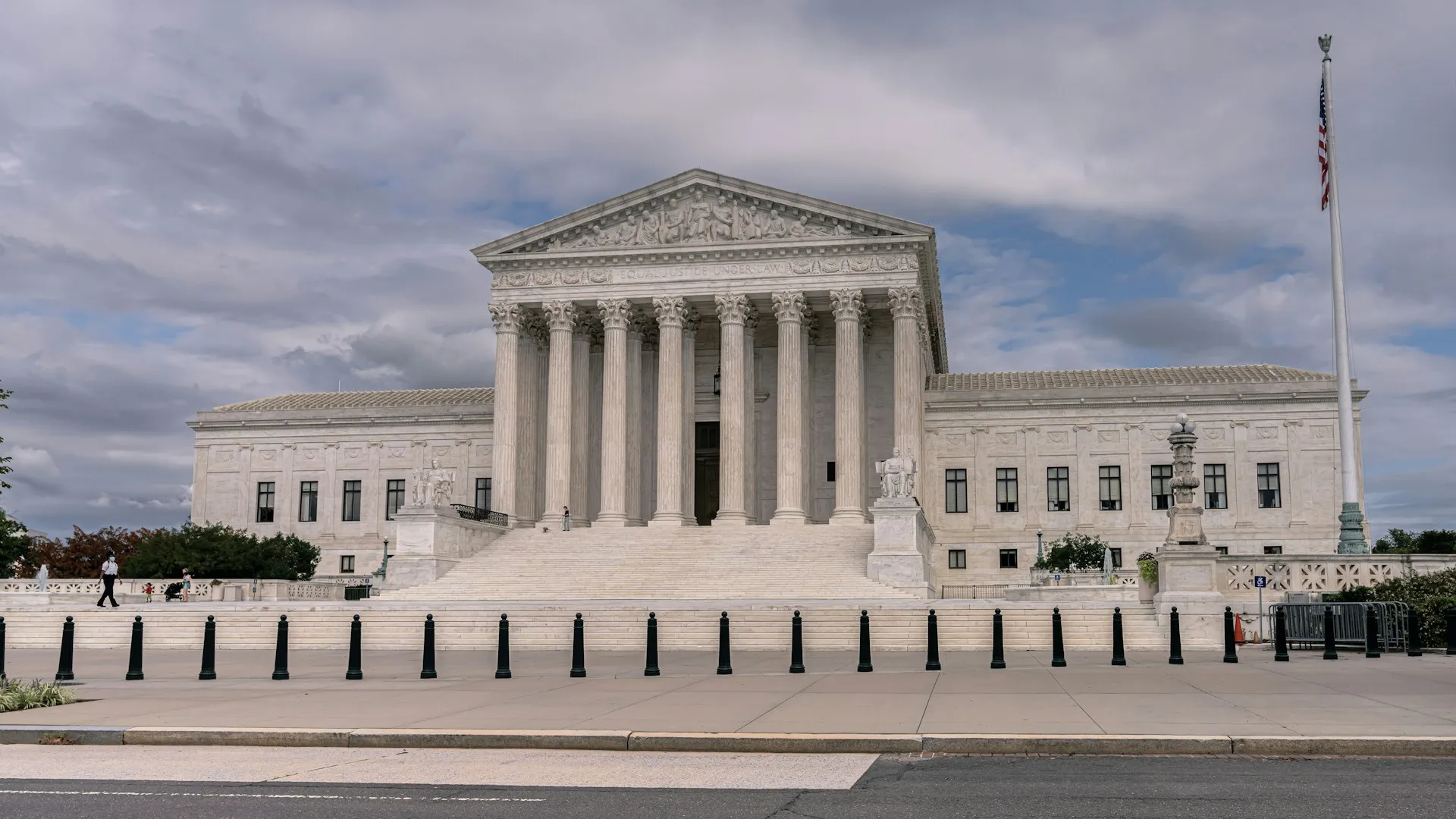
The Legal Landscape Surrounding Medical Consensus
The debates overmedical consensus and its interplay with First Amendment rights have intensified in light of recent legal challenges. The case of Chiles v. Salazar raises important questions regarding free speech within the medical community. By examining past rulings and expert opinions, we unravel the implications of enforcing consensus across medical practices.
Implications for Healthcare and Free Speech
Healthcare professionals often face dilemmas when their opinions clash with prevailing medical standards. This tension can inhibit open discourse, which is vital for medical innovation and patient care. Stakeholders must navigate the fine line between following established guidelines and fostering individual expression.
Conclusion: Balancing Consensus and Expression
As the legal and medical fields intersect, the risks of employing medical consensus as a means to limit free speech are evident. It is imperative to safeguard First Amendment rights while also maintaining guidelines that ensure patient safety and trust in healthcare.
This article was prepared using information from open sources in accordance with the principles of Ethical Policy. The editorial team is not responsible for absolute accuracy, as it relies on data from the sources referenced.