Bat Evolution and Ultraviolet Light: Unraveling Anatomy and Physiology
Thursday, 30 October 2025, 02:03
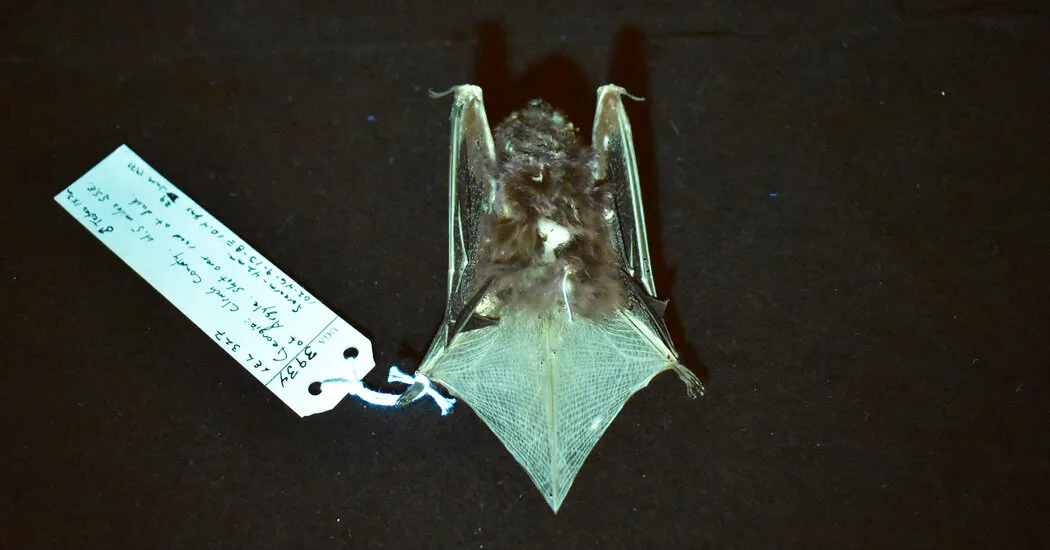
Bat Evolution and Its Interaction with Ultraviolet Light
Bats, fascinating creatures of the night, have evolved unique adaptations that enable them to engage with their environment in ways that are both intriguing and complex. Understanding this evolutionary journey involves examining their anatomy and physiology, particularly in relation to ultraviolet light.
Impacts of Ultraviolet Light on Bat Ecology
- Adaptations: Bats have developed the ability to perceive ultraviolet light, which plays a critical role in foraging and communication.
- Predation: Enhanced ultraviolet vision helps bats avoid predators and locate food sources.
- Reproduction: Ultraviolet signals may influence mating behaviors in some species.
Research Insights into Bat Physiology
- Scientific studies have revealed how specific structures in bat eyes are adapted to detect ultraviolet wavelengths.
- Researchers are continuously exploring the significance of these adaptations in different bat species.
- Note that understanding these physiological changes can also inform conservation strategies.
This article was prepared using information from open sources in accordance with the principles of Ethical Policy. The editorial team is not responsible for absolute accuracy, as it relies on data from the sources referenced.