World War II Missiles and Missile Defense: A Study on Marine Life in the Baltic Sea
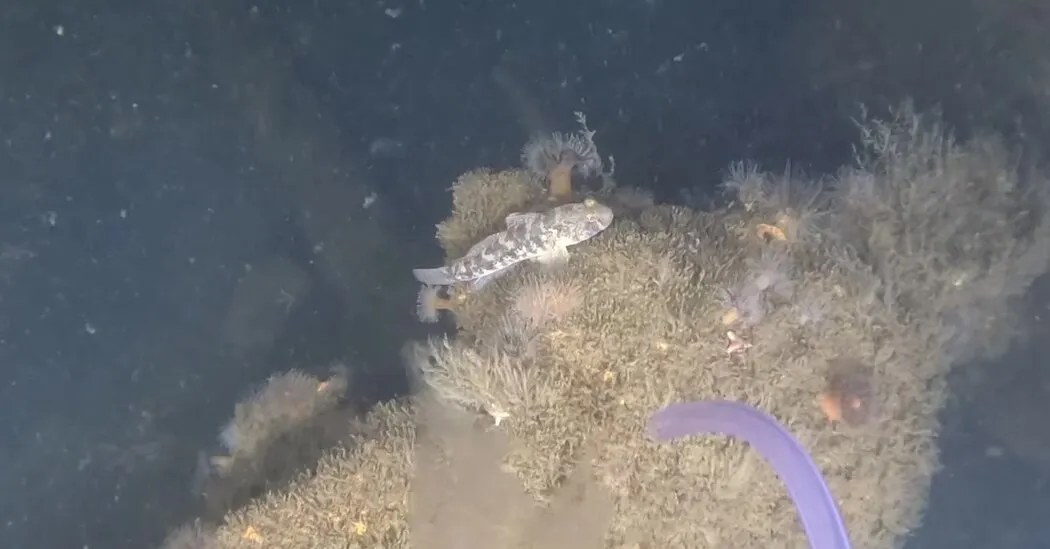
World War II Missiles and Marine Ecosystems
World War II missiles and missile defense systems, remnants of past conflicts, pose a unique ecological dilemma. Since being discarded in the Baltic and North Seas, they have transformed into habitats for various marine species. This surprising discovery sheds light on the complex relationship between human activity and ocean life.
Impact of Pollution on Marine Life
As we explore the effects of pollution on coastal ecosystems, it's crucial to recognize how these toxic environments can paradoxically support biodiversity. The findings highlight how marine life adapts to unsuitable conditions, offering an intriguing perspective on ecological resilience.
- Recycling of pollutants in marine habitats
- Impact of historical warfare on current ecosystems
- Importance of monitoring hazardous materials
In conclusion, the study reveals the intricate dynamics at play where hazmat sites can serve unexpected roles in nurturing marine species.
This article was prepared using information from open sources in accordance with the principles of Ethical Policy. The editorial team is not responsible for absolute accuracy, as it relies on data from the sources referenced.