Medicine Research: Climate Disasters Leave Long-Term Health Care Access Challenges
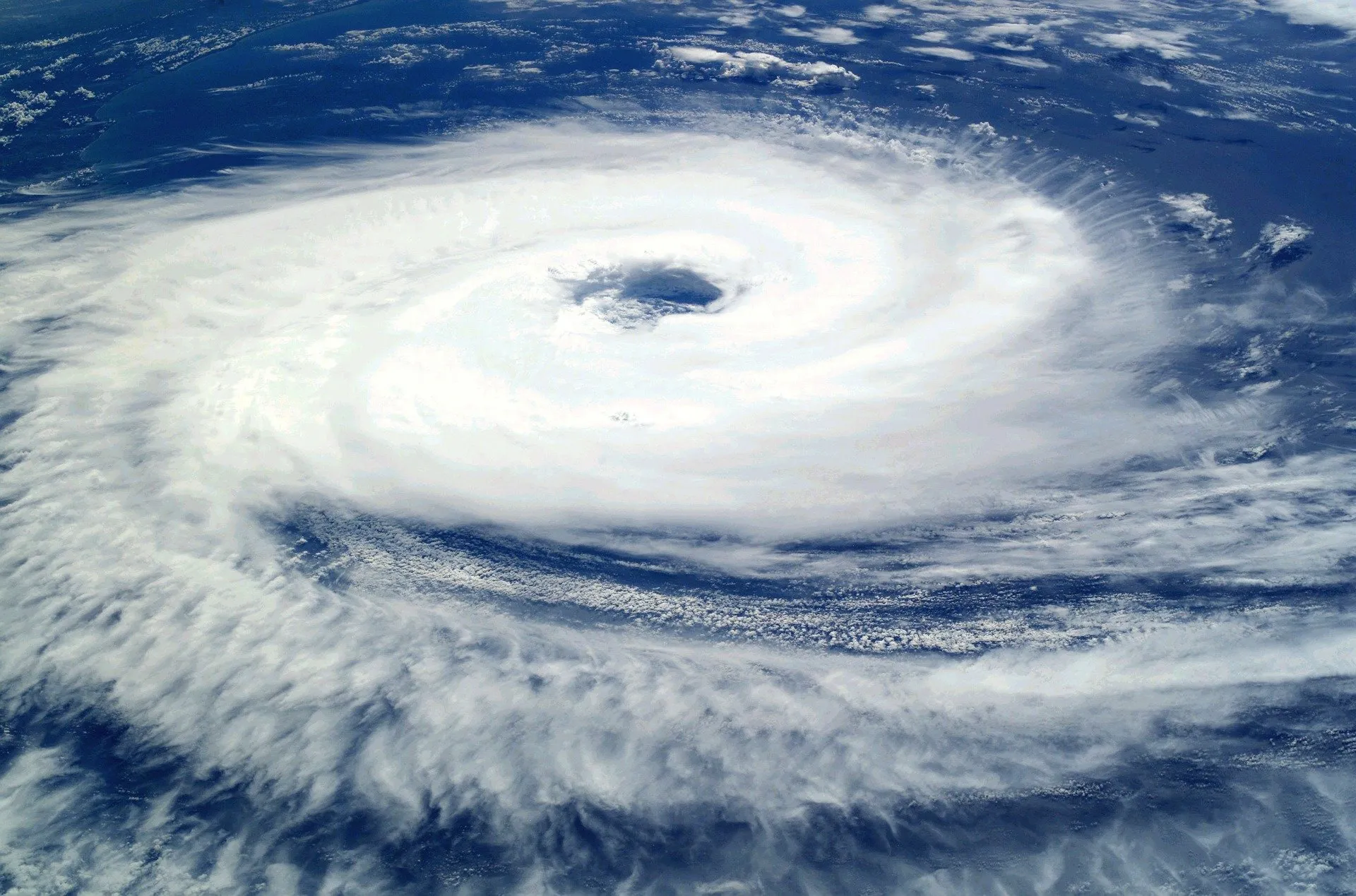
In an alarming new study, researchers from Drexel University and the University of Maryland reveal that climate disasters can result in enduring health care access shortages. Immediate recovery efforts tend to overshadow these critical concerns, leading to significant challenges for affected populations long after the initial disaster.
The study emphasizes the importance of integrating health research into post-disaster recovery plans to ensure that communities can rebuild effectively. Failure to do so can have persistent repercussions on public health and access to health services.
Long-Term Health Implications of Climate Disasters
In examining the aftermath of various climate events, key findings include:
- Limited access to medical facilities in the wake of disasters.
- Healthcare professionals fleeing affected areas.
- Increased prevalence of chronic diseases during recovery periods.
- Delays in essential health services affecting vulnerable populations.
Recommendations for Future Health Science Research
To mitigate these challenges, the study suggests:
- Integrating public health strategies into disaster preparedness.
- Investing in resilient health infrastructure.
- Fostering collaboration between government and health organizations to support affected populations.
This article was prepared using information from open sources in accordance with the principles of Ethical Policy. The editorial team is not responsible for absolute accuracy, as it relies on data from the sources referenced.