Understanding the Climate Impact of Asthma Inhalers and New Alternatives
Assessing the Environmental Impact of Asthma Inhalers
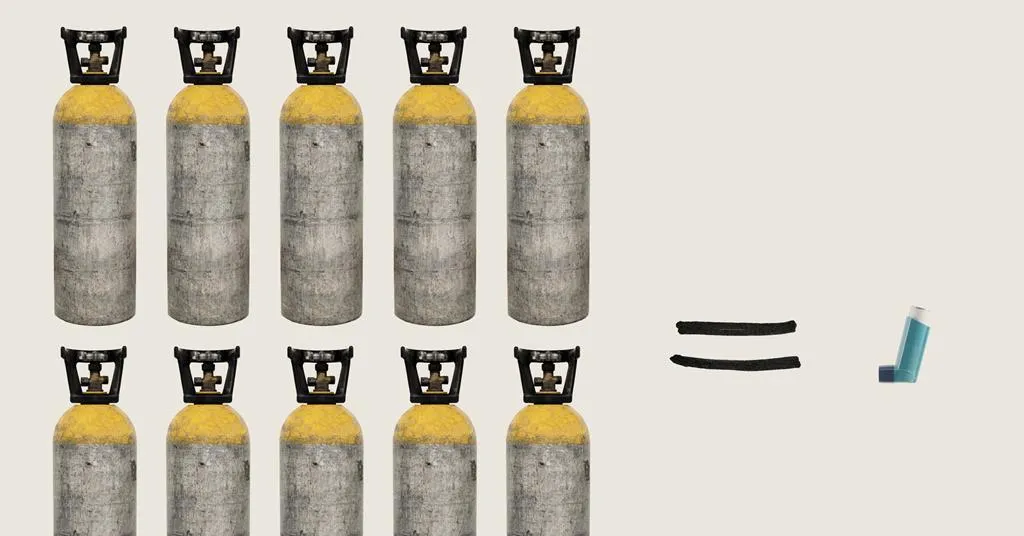
Asthma inhalers, commonly used for respiratory issues, have an unintended environmental impact. The propellants utilized in these devices produce greenhouse gas emissions equivalent to 30kg of CO2, which is comparable to driving 200 miles in a car. This alarming disparity suggests that while treating asthma, we are simultaneously contributing to climate change, a factor that has largely been overlooked in medical discussions.
Exploring Low-Carbon Alternatives
Recent advancements in healthcare technology have led to the development of low-carbon alternatives for asthma management. These innovations aim not only to maintain efficacy in treatment but also to significantly reduce the carbon footprint associated with traditional inhalers. As the medical community shifts towards more sustainable practices, integrating these alternatives could serve as a critical step in addressing climate concerns.
Call to Action for Healthcare Systems
There is a pressing need for healthcare systems to evaluate the carbon impact of their prescribed medications. By embracing more sustainable practices and advocating for environmentally friendly alternatives, we can protect both patient health and the planet.
This article was prepared using information from open sources in accordance with the principles of Ethical Policy. The editorial team is not responsible for absolute accuracy, as it relies on data from the sources referenced.