Direct-to-Consumer Models: Analyzing DTC Approaches in Pharmaceutical Companies
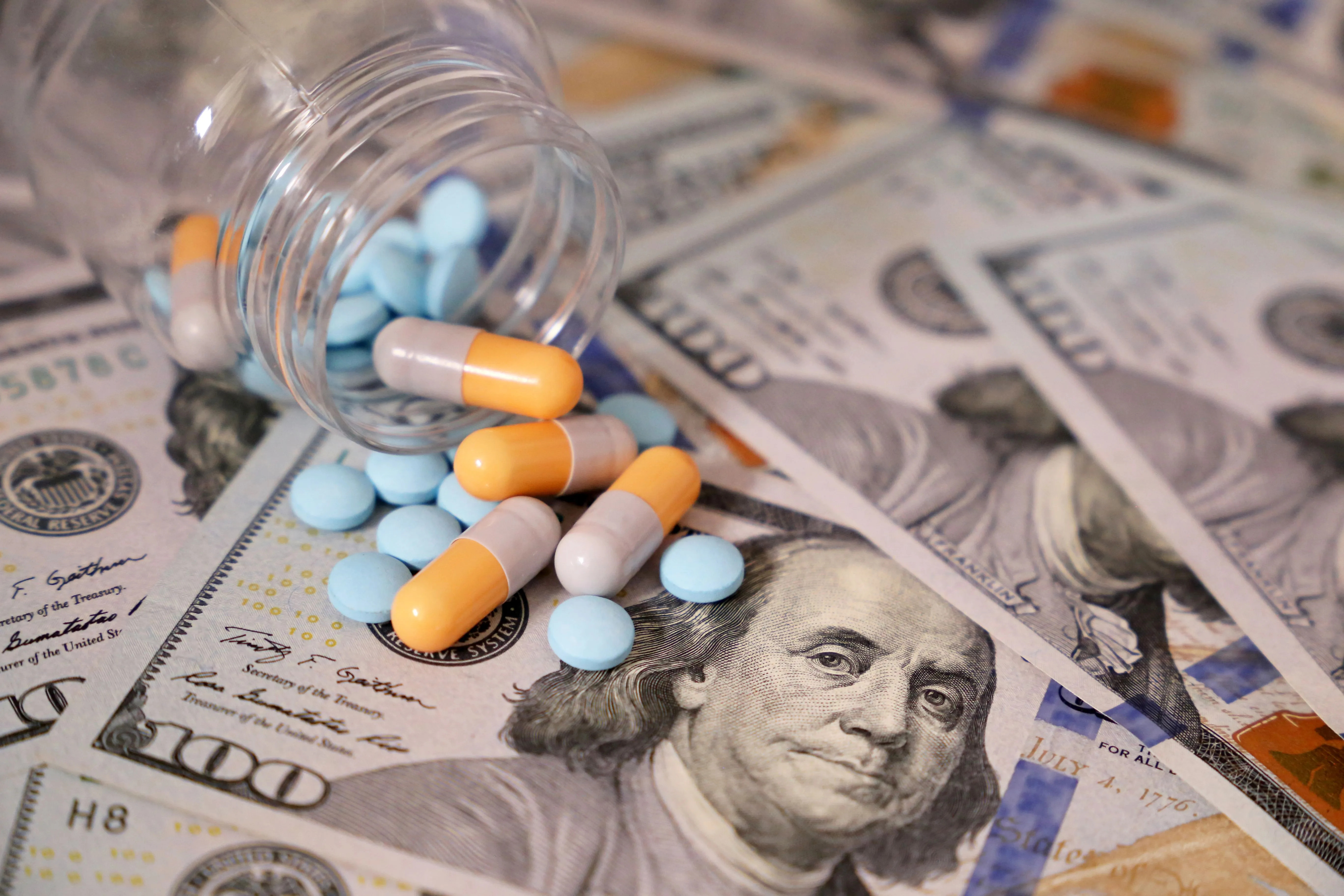
Impact of Direct-to-Consumer Models on Drug Pricing
Direct-to-consumer (DTC) models are revolutionizing how pharmaceutical companies engage with patients. The expansion of DTC models allows manufacturers to advertise and sell medications directly, providing a streamlined supply chain that increases pricing transparency.
However, patients are faced with complexities. Recent shifts in US drug pricing reforms and initiatives such as TrumpRx prompt discussions on accessibility vs. cost.
Emerging DTC Platforms
- Eli Lilly's LillyDirect: Offering access to telehealth services.
- PfizerForAll: Integrating telehealth and prescription delivery.
- NovoCare Pharmacy: Focusing on affordable prices for semaglutide.
The initiatives aim to improve access but also raise concerns about consumer education regarding options and costs.
Challenges Ahead
- Consumer skepticism about DTC higher prices.
- Potential for unrecognized drug interactions.
- Need for better patient education on available programs.
As TrumpRx prepares to launch, navigating the complexities introduced by DTC models will be essential for ensuring patient safety and affordability.
This article was prepared using information from open sources in accordance with the principles of Ethical Policy. The editorial team is not responsible for absolute accuracy, as it relies on data from the sources referenced.