Exploring Animal Behavior and Gut Microbiome Impacts of Dogs on Teen Mental Health
Significance of Animal Behavior in Teen Mental Health
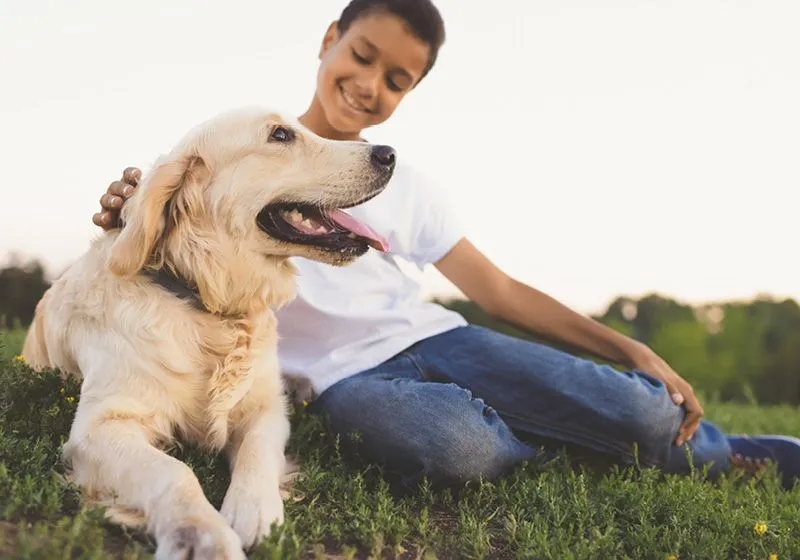
Recent investigations highlight the profound impact of animal behavior, particularly through dogs, on the mental health of teenagers. According to researchers, teens who own dogs demonstrate enhanced social behavior and improved mental well-being.
Microbiome's Role in Social Behavior
Studies reveal a robust connection between dog ownership and alterations in the gut microbiome. For instance, researchers found distinct differences in the oral microbiome of dog-owning adolescents compared to those who do not own dogs.
Microbial Influence on Adolescent Well-Being
The presence of specific bacteria, such as Streptococcus, is linked to lower instances of delinquent behavior among teens with dogs. The researchers suggest that these microbial shifts contribute to better social engagement and mental health.
Experimental Findings
In experiments, microbiota from dog-owning adolescents were transplanted into germ-free mice. Notably, these mice exhibited increased social interactions, providing compelling evidence of the microbiome’s role in influencing social behavior.
This article was prepared using information from open sources in accordance with the principles of Ethical Policy. The editorial team is not responsible for absolute accuracy, as it relies on data from the sources referenced.