300+30: Understanding Trauma as a Survival Tactic in the Brain
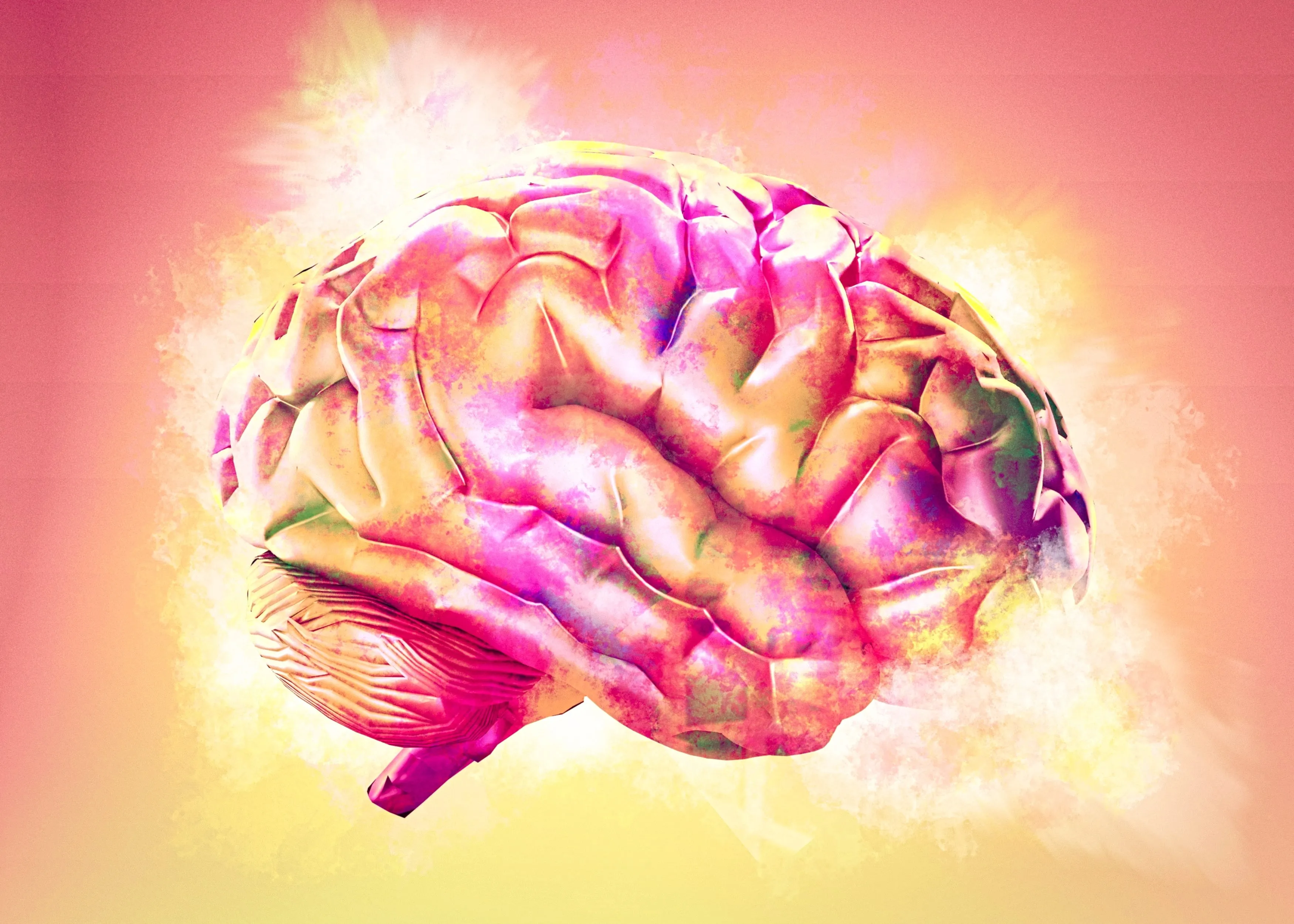
300+30: Understanding Trauma as a Survival Tactic in the Brain
300+30 explores the profound impact of trauma on the brain. Researchers are finding that traumatic events trigger unique patterns in brain activity.
The Brain's Protective Mechanism
When experiencing trauma, the brain engages its ancient survival systems. This process allows individuals to build coping mechanisms, preparing them for potential future stressors. Trauma serves as both a physical and emotional wound, activating the body's instinct to heal.
Research Insights from 2023
- Daniela Schiller, PhD, a neuroscientist, reveals how PTSD alters brain activity compared to ordinary emotional experiences.
- Key areas affected by trauma include the amygdala, hippocampus, and prefrontal cortex.
- The concept of trauma-related altered states of consciousness (TRASC) has emerged, indicating trauma distorts perception and reality.
Adaptive vs. Complex Trauma
Schiller identifies two categories of trauma: adaptive trauma, which builds resilience, and complex trauma, stemming from prolonged distress. Understanding individual responses to traumatic events is crucial in defining their impact.
This article was prepared using information from open sources in accordance with the principles of Ethical Policy. The editorial team is not responsible for absolute accuracy, as it relies on data from the sources referenced.